Bark is the tree’s protective outer layer. It acts like natural armour, shielding the inner living tissues from extreme temperatures, insects and fungi, mechanical damage and water loss.
Scientifically, bark consists of all tissues outside the vascular cambium (the growth layer that produces new wood and phloem). It includes:
– Phloem – transports sugars from leaves to the rest of the tree – Cork cambium (phellogen) – produces protective cells – Cork (phellem) – the outermost dead protective layer
As trees grow, bark continuously forms from the inside while older layers die and crack or peel away. In most species, this produces rough, thick, brown bark. But in one extraordinary species, this natural process creates a living rainbow.
photo by *amelia*/Flickr
The Rainbow Eucalyptus (scientific name: Eucalyptus deglupta) is the only eucalyptus species naturally found in the Northern Hemisphere. It is famous for its multicoloured bark that looks almost painted by hand.
Why is it so Colourful?
The bark of the Rainbow Eucalyptus is very thin and smooth, unlike the thick bark of many other trees. As the tree grows:
– The outer bark layer peels away in strips. – Fresh inner bark is exposed — bright green at first. – As this new bark matures, it gradually changes colour:
Green → Blue → Purple → Orange → Reddish-brown
Because different sections peel at different times, multiple colours appear simultaneously, creating the iconic rainbow effect.
Scientists believe the colours result from chemical changes in tannins and pigments as the bark oxidises and matures.
Interestingly, some researchers suggest that the striking colouration may help protect the tree, possibly by confusing insects or deterring parasites, but there is no confirmed scientific evidence yet. The protective function of the colours remains an open question.
How Big Does Rainbow Eucalyptus Grow?
This is not just a beautiful tree, it’s a giant.
– Height: up to 75 meters (246 feet) – Trunk: tall, straight, and column-like – Growth rate: extremely fast in tropical climates
In optimal rainforest conditions, it can reach impressive heights within just a few decades. Standing next to one feels like being at the base of a painted skyscraper.
Rainbow Eucalyptus is native to the Philippines, Indonesia and Papua New Guinea. However, it has been planted in other tropical regions around the world.
Travel is one of life’s great pleasures. Whether you are boarding a long-haul flight, hitting the open road for a weekend trip, or packing in sightseeing from morning to night, exploring new places is genuinely good for the soul.
But your body? It does not always agree.
Why Travel Leaves You Feeling Sore
Most travel involves a lot of sitting, in cars, planes, airports, and restaurants. The human body was not designed for that. It needs regular movement to keep muscles loose and circulation healthy.
Airplane seats are a particular problem. There is barely room to shift your weight, and most people end up hunching forward over a phone or laptop for hours at a time. That puts a lot of pressure on the neck and shoulders.
Common travel-related complaints include:
Neck stiffness
Lower back pain
Tight hips and hamstrings
Shoulder tension
Headaches from muscle tightness
Even fit, active people feel this. It is not about fitness. It is about prolonged sitting in fixed positions.
Sleep Is Part of the Problem Too
Hotel pillows and mattresses are rarely what your body is used to. Sleeping in an unfamiliar position for several nights in a row can quietly build tension in your neck and upper back, even if you do not notice it right away.
Add in full days of walking, carrying bags, and rushing through airports, and recovery becomes difficult. The body needs downtime, and travel rarely offers much of it.
Why Mobility Matters More Than People Realize
Travelers with existing back pain, neck issues, or old injuries often notice symptoms flaring up after long trips. Hours of compression and limited movement can aggravate problems that are otherwise manageable at home.
This is why more travelers are actively looking into posture and spinal health before and after trips. Resources from professionals like Dr. Robert Caruso, a chiropractor in El Cajon, CA, are often referenced by people trying to understand how extended sitting affects the spine and what they can do to recover properly.
According to the World Health Organization’s guidelines on physical activity and sedentary behavior, reducing the time spent sedentary and breaking it up with movement throughout the day has real benefits for both physical and mental health.
Simple Habits That Actually Help
A few small changes during your trip can make a real difference:
Stretch on the plane or in the car, even simple seated stretches help
Take short walking breaks whenever you stop
Stay hydrated because dehydration worsens muscle tension
Watch your posture while sitting and try not to slouch or lean forward
Move throughout the day instead of sitting through everything back to back
For more practical advice on staying comfortable while exploring, our travel health and preparation tips cover useful guidance on movement, hydration, and getting your body ready for long travel days.
Choosing the Right Destination Helps Too
Not all destinations put the same demands on the body. Some trips involve long walking days over uneven terrain, while others are more relaxed. If you are already dealing with back pain or stiffness, it is worth thinking about how physically demanding a destination will be before you go.
Our guide to destinations by climate can help you plan around conditions that suit your body, whether that means avoiding extreme heat that worsens inflammation or choosing a cooler destination where you can stay more active without overheating.
What to Do When You Get Home
Many people focus on how they feel during a trip but ignore what happens after. Post-travel soreness is real, and it can linger for several days if the body does not get a chance to properly recover.
When you return home, give your body a little extra attention. Light stretching, a warm shower, and getting back to your normal sleep setup can help. If tightness in the neck or back sticks around longer than a day or two, it is worth paying attention to rather than pushing through.
Some travelers find that a visit to a chiropractor or physical therapist after a long trip helps reset the body and address tension that built up along the way. Small aches that get ignored often turn into bigger problems over time, so addressing them early is always the better approach.
The Takeaway
Travel should leave you with great memories, not a stiff neck that lasts a week.
Paying attention to how you move, sit, and sleep during trips does not take much effort. But it can make a noticeable difference in how you feel both during your travels and once you are back home.
Among the various self-defence mechanisms that different species of ants developed to protect themselves from daily threats, the most curious is the kamikaze style of the Colobopsis Exploden species. Easy guess from their name… yes, these ants explode, sacrificing themselves to protect the whole colony.
According to recent studies, there are at least 15 species of exploding ants, all part of the Colobopsis genus, mainly living in Southeast Asia (Thailand, Malaysia and Borneo), and India.
The individual capable of this deadly self sacrifice are the small-sized workers: while guarding the colony’s nest entrance, they use their special glands to burst their bodies, producing a yellow chemical mixture which, while not being toxic or poisonous, is extra sticky, and can block invaders even with much bigger sizes like grasshoppers, for example.
If you travel around Brunei, pop in at the Kuala Belalong Fields Studies Centre in Temburong District and you might have a look at these fascinating ants.
For frequent travelers, carry-on luggage is more than just a suitcase—it’s an essential part of the travel experience. The right carry-on can simplify airport navigation, improve organization, and make every trip feel more efficient. While style matters, functionality is what truly separates average luggage from travel essentials designed for life on the go.
Today’s travelers are prioritizing smart features like organized compartments, lightweight construction, and durable materials that can handle constant movement. Whether you travel for work, weekend getaways, or international adventures, choosing the right carry-on can make every journey smoother.
Interior Organization and Compartments
One of the most important features in modern carry-on luggage is thoughtful interior organization. Frequent travelers know that packing efficiently can save time, reduce stress, and eliminate the frustration of digging through a messy suitcase mid-trip.
Thebest carry on luggage often includes divided compartments, compression panels, zippered pockets, and dedicated storage areas for essentials like shoes, electronics, toiletries, and travel documents. These organizational features help maximize space while keeping everything easily accessible throughout your trip.
Separate compartments also make it easier to keep clean and worn clothing apart, especially during longer travel days. For business travelers, designated laptop sleeves or tech-friendly pockets can help streamline security checkpoints and keep important items protected.
Travelers who want even more versatility may benefit from investing in a coordinated luggage bundle. Matching luggage pieces provide flexibility for different types of trips while maintaining a cohesive travel setup. Whether you need a compact carry-on for short flights or additional luggage for extended vacations, bundled options help simplify travel planning.
Organization isn’t just about convenience—it can also help prevent overpacking. When everything has a designated place, it becomes easier to prioritize essentials and travel more efficiently overall.
Lightweight Design for Easy Mobility
Mobility is another major factor frequent travelers consider when choosing luggage. Navigating airports, train stations, hotels, and city streets becomes much easier when your luggage is lightweight and easy to maneuver.
Modernhard sided luggage is designed to offer durability without unnecessary weight. Lightweight materials like polycarbonate help protect belongings while still allowing travelers to maximize packing capacity within airline weight restrictions.
Smooth-rolling wheels and telescoping handles also contribute to overall mobility. Four-wheel spinner systems are especially popular because they allow luggage to glide effortlessly through crowded terminals and tight spaces with minimal strain on the traveler.
A lightweight carry-on can make a noticeable difference during long travel days, particularly when rushing between gates or lifting luggage into overhead compartments. Reducing excess weight also leaves more room for clothing, shoes, and travel essentials without exceeding airline limits.
Durability remains important even with lightweight construction. Frequent travelers need luggage that can withstand repeated use, changing environments, and constant handling without compromising performance or appearance.
Ultimately, the best carry-on luggage combines organization, mobility, and durability into one streamlined design. By prioritizing features that simplify packing and improve movement, travelers can enjoy a more efficient and comfortable experience every time they hit the road
The Mapimí Silence Zone is one of Mexico’s most fascinating and controversial natural regions, located within the Bolsón de Mapimí desert, where the states of Durango, Chihuahua, and Coahuila meet. Known as Zona del Silencio, this remote area has become famous for its reported signal disruptions, unusual geological composition, and a long history of myths and scientific curiosity.
Despite its mysterious reputation, the region is part of the protected Mapimí Biosphere Reserve, making it both a natural wonder and a subject of ongoing research.
One of the most intriguing aspects of the Silence Zone is the consistent reports of communication interference. Visitors, pilots, and researchers have long described situations in which radio signals suddenly cut out without warning, GPS devices lose accuracy or fail completely, and satellite communications become unreliable in certain parts of the desert. Even traditional navigation tools appear to behave strangely, with compasses occasionally spinning or failing to point in a stable direction.
These phenomena are not constant, which makes them even more puzzling. Some areas appear unaffected, while others experience temporary disruptions, often without a clear pattern. This inconsistency has contributed significantly to the mystique of the Silence Zone, attracting both scientific investigation and widespread speculation.
Scientific explanation behind the phenomenon
Although the Silence Zone is often associated with mystery and paranormal theories, scientific research offers more grounded explanations. The most widely accepted theory focuses on the region’s unusual geological composition, which plays a key role in the reported signal disturbances.
Beneath the desert surface, there are believed to be large deposits of magnetite, a naturally occurring mineral with strong magnetic properties. In addition to this, the soil and rock formations contain high concentrations of iron and other conductive materials. Over time, the area has also accumulated debris from meteorite impacts, further contributing to its unique electromagnetic environment.
When combined with specific atmospheric conditions, these elements can interfere with radio waves and electronic instruments. Rather than being a true “silent” zone, the region is better understood as an area where electromagnetic irregularities may occur intermittently.
A meteorite hotspot
The Silence Zone is also known as one of Mexico’s most important meteorite regions, with a history of frequent impacts that have shaped both its geology and its reputation. Scientists have identified several significant meteorite events in the area, including major falls recorded in 1938 and 1954.
The most famous of these is the Allende meteorite explosion in 1969, which scattered fragments across a wide portion of the desert. This meteorite is considered one of the most studied in the world, as it contains some of the oldest known material in the solar system. Its presence in the region has strengthened the idea that extraterrestrial elements may contribute to the area’s magnetic anomalies.
Even today, fragments of meteorites can still be found scattered across the desert floor, adding another layer of scientific and exploratory interest to the Silence Zone.
The 1970 Athena missile incident
The global spotlight turned to the Silence Zone following a remarkable incident in 1970 involving a U.S. military missile. An Athena rocket, launched during a test from a base in the United States, unexpectedly veered off course and crashed deep within the desert.
The recovery operation that followed was extensive and highly complex, involving American scientists, military personnel, and specialised equipment. Teams were deployed to locate and retrieve the missile components, and the mission required the construction of temporary infrastructure in the otherwise isolated region.
This incident not only drew international attention to the Silence Zone but also led to further scientific studies of the area’s geology and electromagnetic properties, reinforcing its reputation as one of the most unusual places in North America.
Unique environment and biodiversity
Beyond its mysterious reputation, the Silence Zone is an ecological treasure within the Mapimí Biosphere Reserve. The harsh desert conditions have created a unique environment in which only specially adapted species can survive, resulting in a landscape rich in biodiversity despite its apparent barrenness.
The flora includes resilient desert plants such as the creosote bush, along with unusual purple cactus varieties that stand out against the sandy terrain. These plants have evolved to withstand extreme heat, prolonged drought, and poor soil conditions.
The fauna is equally remarkable. The region is home to endemic species such as the Mapimí Bolson tortoise, a reptile uniquely adapted to the desert ecosystem. Other wildlife includes a variety of reptiles, birds, and small mammals that have developed specialised survival strategies. Reports of unusually large or “mutated” plants and animals have circulated for years, although these are generally understood to be natural adaptations rather than true mutations.
The landscape itself enhances the sense of isolation, with vast open plains, scattered rocky formations, and an almost surreal silence that defines the visitor experience.
A visit to the Silence Zone is not about traditional tourism but about immersion in a remote and enigmatic environment. The experience is centred on exploration, observation, and understanding the delicate balance of this desert ecosystem.
Travellers typically join guided expeditions led by local experts who are familiar with the terrain and its conditions. These tours provide insight into both the scientific aspects of the region and the many legends that surround it. The area is also ideal for stargazing, as the lack of light pollution creates exceptionally clear night skies where stars appear vivid and countless.
Wildlife observation and photography are popular activities, particularly for those interested in rare desert species and dramatic landscapes. The silence, vastness, and isolation create a unique atmosphere that is difficult to find elsewhere.
Best time to visit
The most suitable time to visit the Silence Zone is between October and March, when temperatures are significantly milder and more comfortable for outdoor exploration. During these months, the desert climate is more forgiving, allowing visitors to spend extended periods outside.
In contrast, the summer months, particularly from June to August, can be extremely harsh, with temperatures often exceeding 40°C. Visiting during these periods can be challenging and potentially dangerous without proper preparation.
Even during the cooler season, it is advisable to explore the area during the early morning or late afternoon, when the light is softer and the temperatures are more manageable. Nights in the desert can become surprisingly cold, adding another layer to the experience.
How to get there
Reaching the Silence Zone requires careful planning due to its remote location and limited infrastructure. The journey typically begins with a flight to Torreón or Durango City, both of which serve as gateways to the region.
From there, travellers must continue by road to the small town of Ceballos, which acts as the main access point to the Silence Zone. The final part of the journey involves travelling into the desert itself, usually in a 4×4 vehicle accompanied by a local guide.
Independent travel is strongly discouraged due to a lack of clear routes, reliable navigation systems, and basic services. Guided tours not only ensure safety but also provide valuable context and knowledge about the area.
Myths, legends, and reality
Over the years, the Silence Zone has become a focal point for myths and legends that continue to capture the imagination of visitors. Stories of UFO sightings, paranormal encounters, and even distortions of time and space are frequently associated with the region.
While these tales contribute to its allure, scientific evidence does not support the existence of supernatural phenomena. Instead, the combination of natural electromagnetic irregularities, isolation, and human curiosity has created a powerful narrative that blends reality with imagination.
Mass tourism is generally attracted by the vibrant and luxurious city life of Dubai, with its skyline dominated by the enormous Burj Khalifa, but not far from Dubai, there is a completely different world with dramatic natural landscapes such as turquoise waters, mountains, deserts, and pristine beaches.
The easiest way to explore these places would be by car – make sure that you have all the necessary documents to enter Oman, such as permission and car insurance. A good option would be SUV rental fleet from Renty.ae.
Below are some of the unique experiences you will find from Dubai, across UAE, towards Oman:
Musandam Peninsula (Oman)
Located in Northern Oman, this stretch of land, detached from the main region, is one of the handiest trips from Dubai, as it is just a 2-hour drive with a rental car from the city. The peculiarity of this peninsula is the landscape, which almost resembles the Norwegian fjords, with mountains falling into the sea. Do not expect green mountains and snow, but the crystal clear waters will fill this gap.
The area also features significant populations of bird species, including hooded, pallid scops-owl, Hume’s and red-tailed wheatears, plain leaf-warbler, and pale rockfinch.
Hatta, UAE
This city is an exclave of Dubai, approximately 1h 30mins drive. Hatta Heritage Village, with customs and traditions of the people of the region, attracts visitors from Dubai and around the area, especially during weekends. There are two old castles in the heritage village, which once protected the area and are now completely restored.
The surrounding area features dams such as the Hatta dam, one of the largest in the Middle East, with turquoise water and great mountain scenery and valleys such as Wadi Al-Hatawi, Wadi Al-Ghubra and the remote Wadi Al-Qahfi, famous for its canyons and untouched nature.
Salalah (Southern Oman)
A completely different scenery can be found in Salalah, where arid deserts turn into lush green landscape with banana plantations and even seasonal waterfalls during the annual monsoon Khareef from June to September.
Here you can also visit four reputed tombs of Islamic prophets: Nabi Imran, Nabi Ayoob, Nabi Houd; and Nabi Salih. Amongst the cultural attractions is the Salalah carnival, which includes concerts, rides, family activities, cultural events and markets.
Wadi Bani Khalid is one of the most famous wadis in Oman, an oasis with stunning pools ideal for swimming, canyons, palm trees and perfect areas for picnics and outdoor activities. Explore the nearby Muqal Cave for a bit of adventure in this dark cave.
Head then to Wahiba Sands, also known as Sharqiya Sands, a vast desert area with orange sand dunes up to 100 meters high, and star-filled clear skies. Mind that car rental companies need to be informed of your intentions to drive to such destinations.
Dibba, UAE and Oman
Divided into three different parts (Dibba Al-Fujairah, Dibba Al-Hisn in the UAE and Dibba Al-Baya in Oman), this mountainous coastal region is known for canyons, hidden beaches and superb snorkelling spots. Perfect destination for hiking, swimming and enjoying a relaxed boat tour.
The Taj Mahal, located in Agra along the Yamuna River, is one of the most celebrated monuments in the world. Commissioned in 1632 by Mughal emperor Shah Jahan in memory of his beloved wife Mumtaz Mahal, this stunning white marble mausoleum is a symbol of eternal love. Renowned for its perfect symmetry, intricate carvings, and precious stone inlays, it represents a masterpiece of Mughal architecture, blending Persian, Islamic, and Indian influences. Recognised as a UNESCO World Heritage Site, it attracts millions of visitors every year.
The best time to visit the Taj Mahal is during the cooler months, from October to March, when temperatures in Agra are pleasant and ideal for sightseeing. Avoid April to June due to extreme heat, and July to September if you want to skip the monsoon humidity and crowds. Sunrise Taj Mahal tour from Delhi offers a magical blend of peaceful ambience, soft golden light and minimal crowds. Whether you are a traveller, a photographer, or a history lover, seeing the Taj Mahal in the morning becomes a memory that lasts a lifetime.
Experience the Taj Mahal in its most serene form
The biggest advantage of booking a sunrise trip is the calm and serene environment. Early in the morning, the crowds are minimal, allowing you to explore the monument without the usual hustle and bustle. You can walk through the grand entrance, admire the white marble mausoleum, and really connect with its beauty in silence. This peaceful experience is impossible during regular day trips.
Perfect time for photography
If you love photography, sunrise is the ideal time to capture the Taj Mahal. The sun’s soft golden rays gently illuminate the marble, creating a mesmerising glow. The reflection of the monument in the water pools, combined with the changing colours of the sky, provides stunning photo opportunities. Visiting the Taj Mahal at sunrise from Delhi ensures that you get the best natural light for unforgettable photographs.
Convenient and time-saving travel from Delhi
Booking Suryoday Yatra from Delhi is not only convenient but also efficient. Most tours start early in the morning, allowing you to reach Agra at sunrise and return to Delhi by afternoon or evening. This makes it suitable for travellers with limited time. Comfortable transportation, guided services and well-planned itineraries ensure a hassle-free journey.
Pleasant weather and comfortable exploration
The morning weather in Agra is much cooler and more comfortable, especially during the summer months. Seeing the Taj Mahal in the soft morning breeze is much more enjoyable than dealing with the heat during the day. This makes your visit comfortable and enjoyable, allowing you to spend more time admiring the monument.
Learn history with a new perspective
Sunrise tours often include a professional guide who shares fascinating stories about the Taj Mahal’s history, architecture, and the love story of Shah Jahan and Mumtaz Mahal. With fewer distractions and a peaceful setting, you can fully absorb the rich heritage and cultural significance of this iconic monument.
A once-in-a-lifetime experience
Watching the Taj Mahal slowly change colours as the sun rises is a magical experience that cannot be fully described in words. From the soft pink colours to the sparkling white marble, every moment feels special. Visiting the Taj Mahal at sunrise from Delhi offers a unique opportunity to witness this transformation and create memories that stay with you forever.
Booking a sunrise Taj Mahal tour is more than just a visit – it’s an experience filled with beauty, peace and inspiration. From fewer crowds and perfect photography conditions to comfortable travel and pleasant weather, there are countless reasons to choose this option. If you want to see the Taj Mahal at its most breathtaking, then a sunrise Taj Mahal tour from Delhi is the perfect choice for your next trip.
-sponsored-
This website uses cookies to improve your experience. We'll assume you're ok with this, but you can opt-out if you wish. Cookie settingsACCEPT
Privacy & Cookies Policy
Privacy Overview
This website uses cookies to improve your experience while you navigate through the website. Out of these cookies, the cookies that are categorized as necessary are stored on your browser as they are essential for the working of basic functionalities of the website. We also use third-party cookies that help us analyze and understand how you use this website. These cookies will be stored in your browser only with your consent. You also have the option to opt-out of these cookies. But opting out of some of these cookies may have an effect on your browsing experience.
Necessary cookies are absolutely essential for the website to function properly. This category only includes cookies that ensures basic functionalities and security features of the website. These cookies do not store any personal information.
Any cookies that may not be particularly necessary for the website to function and is used specifically to collect user personal data via analytics, ads, other embedded contents are termed as non-necessary cookies. It is mandatory to procure user consent prior to running these cookies on your website.




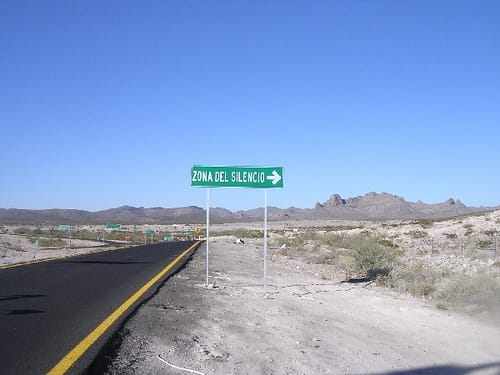
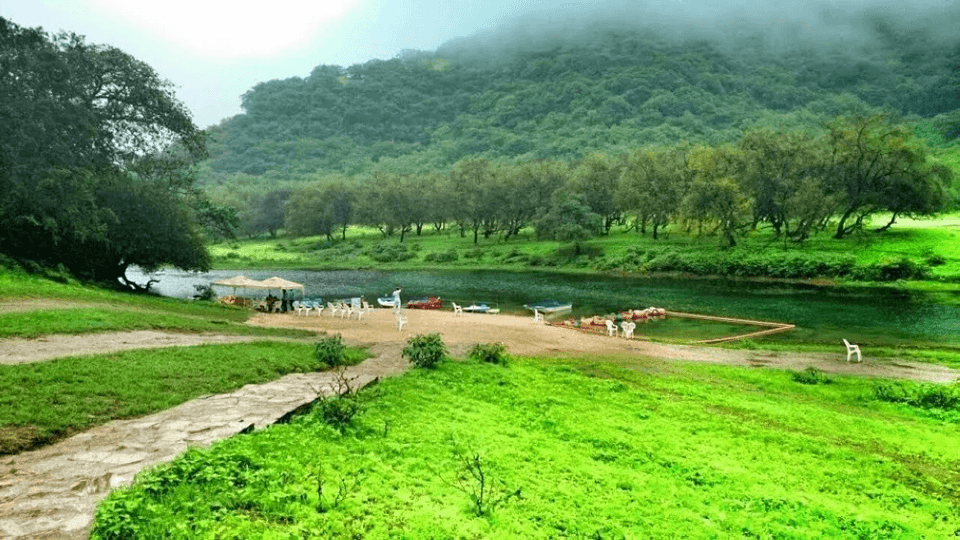
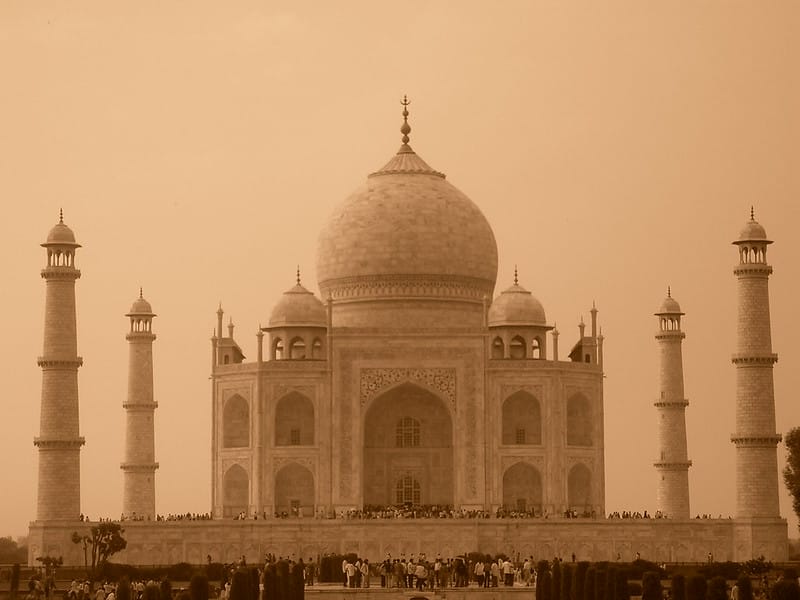
_Figure_2.jpg)