
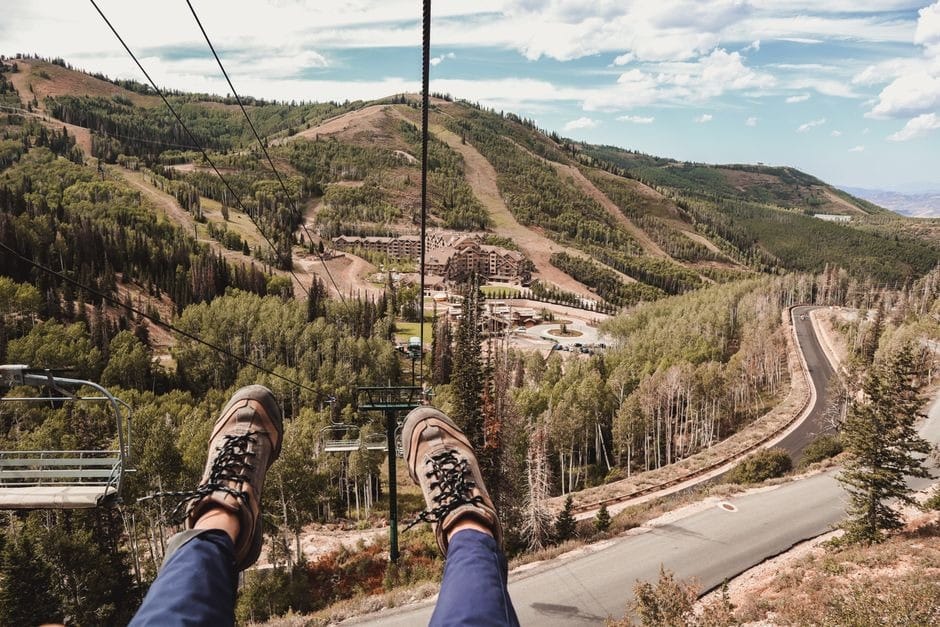
A memorable trip is not measured by how many attractions you squeeze into a day. Park City, Utah, sits at roughly 7,000 feet and offers access to mountain landscapes, a historic town center, and a lively dining scene. Thoughtfulness helps visitors enjoy all three without treating the destination as a checklist.
Let the Landscape Set the Pace
Mountain environments can change how a day feels. Higher elevation may leave you more breathless than expected, and weather can shift quickly. Choose one manageable outdoor activity, check current trail conditions, and carry water, layers, and a route plan.
A scenic walk or a relaxed ride can be just as rewarding as a packed day of strenuous activities. Leave room for unplanned discoveries instead of treating every viewpoint as a timed appointment.
Let Food Tell Part of the Story
Dining can reveal how a destination sees itself. Menus may combine familiar comfort food, regional influences, seasonal ingredients, and the expectations of visitors looking for a special evening. Mix a sit-down dinner with casual cafés, bakeries, and independent places where everyday routines are easier to notice.
If you’re looking for a memorable steakhouse Park City has Edge Steakhouse, an excellent choice for an upscale evening out. You can also explore casual cafés, bakeries, and local eateries to experience more of the area’s dining scene.
Reserve ahead when necessary, but leave a little flexibility for a place that catches your eye. Ask about seasonal dishes, consider sharing a few items, and avoid ordering more than you can comfortably finish. Small choices can make dining more enjoyable while reducing waste.
Explore Outdoors Without Leaving a Mark
Popular trails are shared spaces, and their condition depends partly on how visitors use them. Stay on marked routes, avoid cutting switchbacks, and walk through muddy sections rather than widening the trail by stepping around them. Keep noise low, take rubbish with you, and give other walkers and cyclists enough room to pass safely.
Check weather and access updates before setting out, and choose a route that suits everyone in your group. The Leave No Trace principles offer useful guidance on reducing damage to plants, wildlife, and natural areas. Enjoy the landscape without making it harder for others or the local ecosystem.
Starting earlier can help you avoid the busiest periods and, in warmer months, some afternoon weather. If a trail is closed or conditions are poor, choose another activity rather than trying to push through. Flexibility is part of traveling well.
Look Beyond the Scenery
The story of a mountain town is often written into its buildings as much as its landscape. Mining, trade, and waves of new residents can leave visible traces in street layouts, older facades, and local traditions. Take time to read historical displays, visit a museum, or join a walking tour if one is available.
A building that first appears charming may also tell a story about labor, changing fortunes, preservation, or the pressure tourism places on a community. Responsible travel means being curious without treating local history as a backdrop for photographs. Follow posted guidance around historic structures, avoid touching fragile features, and support cultural spaces that help preserve shared stories.
Watch Wildlife From a Respectful Distance
Seeing an animal in its natural habitat can be a highlight, but it should never come at the animal’s expense. Keep a generous distance, never feed wildlife, and do not follow an animal to get a closer photograph. Feeding changes natural behavior and can expose animals to danger. Binoculars and patience are better tools than approaching for a picture.
Drive carefully in low light, particularly on roads near open land, and secure food and rubbish so animals are not attracted to people or vehicles. If you are traveling with children, make observation part of the experience: notice movement, tracks, and calls without trying to get closer.
For a concise reminder of how to behave around wildlife and natural spaces, the outdoor ethics guidance explains why distance, preparation, and waste management matter. A responsible encounter leaves the animal undisturbed.
Move Around With Less Hassle
A trip becomes tiring when every activity involves finding a parking space or crossing town in a hurry. Depending on where you stay, walking, public transport, or occasional rides may be practical alternatives to driving everywhere. A slower pace makes it easier to notice public art, side streets, and small businesses.
If driving is necessary, group activities by area instead of zigzagging between stops. Allow extra time for weather and traffic, and check access details before leaving. In winter, road conditions may change quickly, so avoid assuming that a journey will take the same time as it did the previous day.
Spend Thoughtfully in the Community
Tourism supports local jobs, but visitor spending has the greatest value when it reaches the wider community. Consider independent shops, local galleries, and smaller eateries alongside familiar attractions. Be patient during busy periods, follow parking and access rules, and remember that residential streets are people’s homes, not overflow space for visitors. Ask before photographing people, respect signs on private property, and avoid blocking entrances while stopping for pictures. These small courtesies make shared spaces more pleasant for residents and guests alike. You do not need to plan every purchase around a grand idea of sustainability; simply make deliberate choices, treat workers with respect, and avoid assuming that every neighborhood exists solely for tourism throughout your entire visit.
Leave Space in the Schedule
An itinerary should offer direction without turning the holiday into a performance review. A useful daily rhythm might include one outdoor activity, one cultural stop, and a meal you can enjoy without watching the clock. Leave space for weather changes, tired legs, unexpected conversations, or a place that deserves more time than planned.
Responsible travel means respecting the landscape, wildlife, local history, and people who live there. Notice those connections, and the trip becomes richer than a packed schedule.