
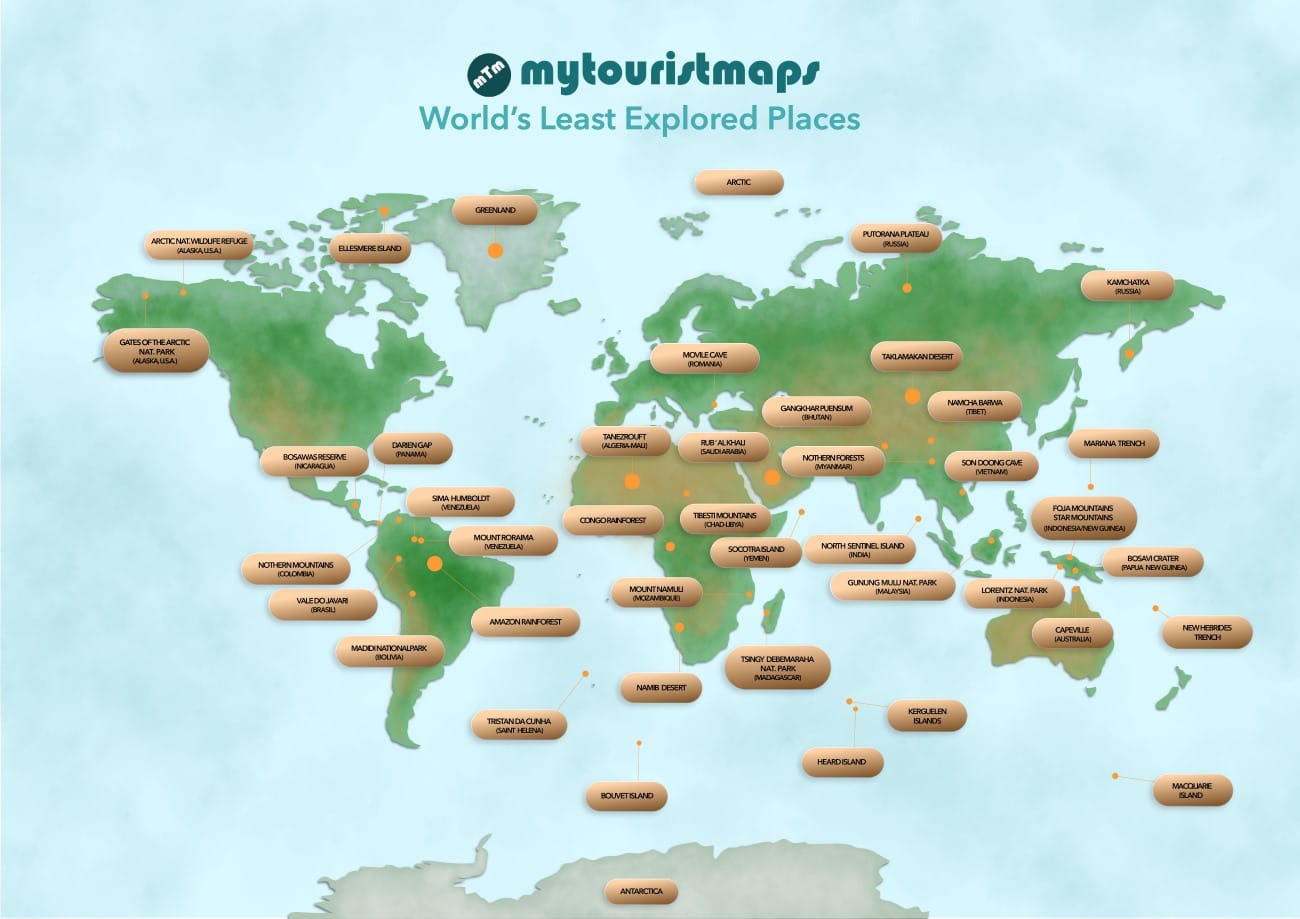
Probably the dream of every traveller is to explore new worlds, places where no one has been yet, and maybe discover some natural wonder or new civilisations. But how many places on our planet have not yet been fully explored?
In this map, you will find some of the most remote, inaccessible, and possibly dangerous places on Earth.
Greenland (Peary Land – North Greenland)
Greenland is the world’s largest island, but most settlements are concentrated along the milder western and southern coasts. The most remote part lies in Peary Land, in the far north within Northeast Greenland National Park, the largest national park on Earth. Unlike most of Greenland, this region is not buried under the central ice sheet, revealing barren mountains, polar deserts, and frozen fjords. Winters bring temperatures below −40°C and months of darkness. With no towns, roads, or permanent infrastructure, access is extremely difficult and usually limited to scientific expeditions. Peary Land remains one of the most isolated and least visited regions of the Arctic.
Ellesmere Island
Ellesmere Island, in the Canadian High Arctic, is one of the northernmost large islands on Earth. Located in Nunavut, Canada, it lies just west of northern Greenland and is mostly covered by glaciers, ice caps, and rugged mountains. The most remote areas are within Quttinirpaaq National Park, where polar deserts, frozen valleys, and ancient ice fields dominate the landscape. Temperatures can remain below freezing for most of the year. With only a tiny population at the scientific outpost of Alert and extremely limited access by aircraft, most of the island remains rarely visited. Its harsh environment supports musk oxen, Arctic wolves, and polar bears.
Arctic National Wildlife Refuge
The Arctic National Wildlife Refuge (ANWR) is located in the far northeast of Alaska, USA, along the coast of the Arctic Ocean. The most remote region lies in the Brooks Range mountains and the coastal plain, a vast wilderness of tundra, rivers, and glaciers. With no roads, settlements, or infrastructure across most of its territory, access is mainly by small aircraft or multi-day wilderness expeditions. The refuge is famous for its wildlife, including caribou herds, grizzly bears, wolves, and migratory birds. Harsh winters, extreme remoteness, and strict environmental protections have helped preserve ANWR as one of the largest untouched wilderness areas in North America.
Gates of the Arctic National Park
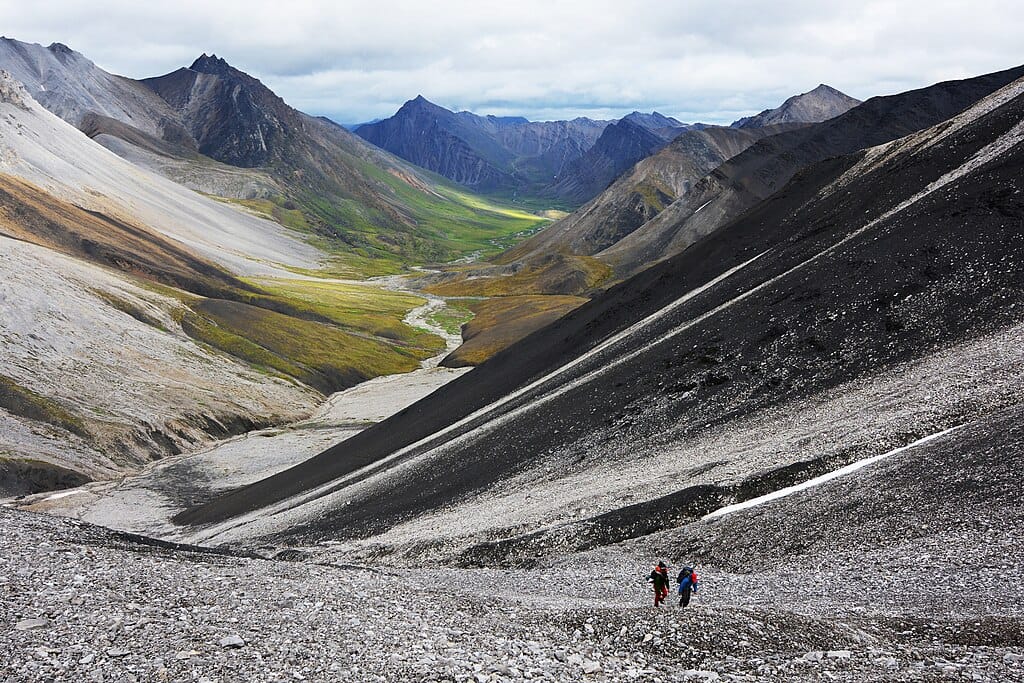
Located in northern Alaska, Gates of the Arctic National Park is one of the most remote national parks in the United States. Covering a vast portion of the Brooks Range, it contains rugged mountains, wild rivers, tundra valleys, and vast, untouched landscapes. The park has no roads, trails, or visitor facilities, making it a true wilderness. Most visitors arrive by bush plane or undertake long backcountry expeditions. Winters are extremely cold, while summers bring long daylight hours and swarms of insects. Wildlife such as caribou, grizzly bears, wolves, and moose roam freely across the region, making it one of the largest untouched ecosystems in North America.
Darién Gap
The Darién Gap is a dense and largely roadless rainforest region between Panama and Colombia, forming the only break in the Pan-American Highway. The area consists of thick jungle, swamps, rivers, and rugged mountains, making overland travel extremely difficult. Heavy rainfall, dangerous wildlife, and limited infrastructure have prevented road construction across the region. While some indigenous communities live within the forest, much of the area remains rarely explored. The Darién is also known for its extraordinary biodiversity, hosting thousands of plant and animal species. Its harsh terrain and isolation continue to make it one of the least accessible regions in Central America.
Bosawas Biosphere Reserve
The Bosawas Biosphere Reserve in northern Nicaragua is the largest protected rainforest in Central America after the Amazon. Covering a vast area near the border with Honduras, it consists of dense tropical forests, rivers, and mountainous terrain. Many parts of the reserve remain difficult to access due to the lack of roads and infrastructure. Indigenous communities such as the Mayangna and Miskito live within the forest, maintaining traditional lifestyles. Bosawas is known for its extraordinary biodiversity, including jaguars, tapirs, and hundreds of bird species. Because of its remoteness and thick jungle environment, much of the reserve remains rarely explored.
Sima Humboldt
Sima Humboldt is a massive sinkhole located in Canaima National Park, southern Venezuela. Part of the remote Chimantá Plateau, a region of tepui table mountains deep in the Venezuelan Amazon, the sinkhole plunges about 350 meters with vertical walls leading to a hidden forest at its base. The plateau is accessible only by helicopter or difficult multi-day treks, making it one of the least visited geological formations on Earth. The isolated ecosystem at the bottom supports rare plants and insects, while constant cloud cover and rainfall create a mysterious atmosphere. Scientists and explorers consider Sima Humboldt an extraordinary natural wonder and a highly secluded environment.
Colombian Northern Mountains (Sierra Nevada de Santa Marta)
The Sierra Nevada de Santa Marta, in northern Colombia, is the highest coastal mountain range in the world, rising sharply from the Caribbean coast to over 5,700 meters. Its valleys, cloud forests, and peaks are extremely isolated, accessible only by rugged trails or long treks. Indigenous communities such as the Kogi, Arhuaco, and Wiwa inhabit parts of the mountains, helping preserve much of the landscape. Steep terrain, dense forests, and limited roads mean large areas remain largely unexplored. The region hosts diverse wildlife, including endemic birds and mammals, and remains one of the least visited mountain systems in South America.
Mount Roraima
Mount Roraima sits at the intersection of Venezuela, Brazil, and Guyana and is one of the most famous tepui table mountains in South America. Its sheer cliffs rise over 400 meters, enclosing a flat summit with unique ecosystems of rare plants, rock pools, and endemic species. Dense clouds and rainfall create a constantly misty environment. Access is limited, usually via multi-day treks from Venezuela, making the plateau difficult to explore. The isolated summit inspired Arthur Conan Doyle’s The Lost World, and its unique ecology continues to fascinate scientists and adventurers seeking one of the continent’s most mysterious landscapes.
Amazon Rainforest
The Amazon Rainforest, spanning nine South American countries, is the largest tropical forest on Earth. While rivers and roads allow limited access, vast interior regions remain extremely remote and dense, particularly in western Brazil, Peru, and Colombia. Thick jungle, winding rivers, and wetlands make travel challenging. The forest is home to countless species, many undiscovered, and hosts isolated indigenous communities. Its enormous size and dense vegetation mean large areas have never been scientifically surveyed. The Amazon remains one of the least explored regions globally, a critical refuge for biodiversity and a living laboratory of tropical ecosystems.
Madidi National Park
Located in northwestern Bolivia, Madidi National Park stretches from the Andes to the Amazon basin, encompassing cloud forests, tropical jungles, and river valleys. Many areas remain extremely remote due to rugged terrain and lack of roads. Scientists continue to discover new species of plants, birds, and insects in the park. Indigenous communities live in parts of Madidi, but much of it is untouched wilderness. Its extraordinary biodiversity and inaccessibility make it one of South America’s least explored protected areas, offering rare opportunities to study ecosystems largely untouched by modern human activity.
Vale do Javari
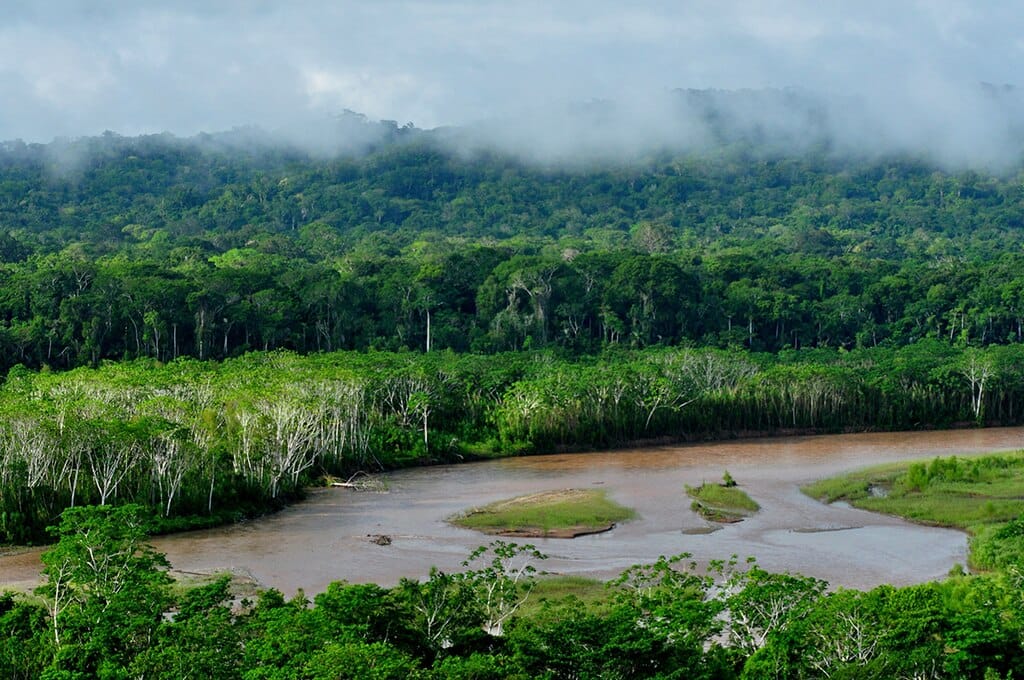
The Vale do Javari, in western Brazil near the Peruvian border, is one of the most isolated Amazon regions. Covered in dense rainforest and crossed by remote rivers, it hosts the largest concentration of uncontacted tribes in the world. Travel is strictly regulated by the Brazilian government to protect indigenous peoples. With no roads and limited infrastructure, exploration is extremely difficult, mostly via boat or small aircraft. Its remoteness preserves both the forest and human cultures, making Vale do Javari one of the least explored and most ecologically important regions in the Amazon basin.
Tristan da Cunha
Tristan da Cunha is the most remote inhabited island in the world, located in the South Atlantic Ocean halfway between South Africa and South America. A volcanic island with steep cliffs and rugged terrain, only about 250 people live in the single settlement, Edinburgh of the Seven Seas. There is no airport, and access is only by a multi-day ship voyage from South Africa. The surrounding archipelago features volcanic landscapes and protected wildlife habitats. Its extreme isolation makes Tristan da Cunha one of the most secluded inhabited places on Earth, visited rarely by outsiders and studied mainly by scientists.
Namib Desert
The Namib Desert, along the coast of Namibia, is one of the oldest deserts in the world. The most remote regions, such as the Skeleton Coast and Namib-Naukluft National Park, feature towering sand dunes, gravel plains, and rocky mountains stretching for hundreds of kilometres. Extreme heat, strong winds, and scarce water make human habitation difficult. Despite its dryness, the desert supports uniquely adapted wildlife, including desert elephants, oryx, and beetles. Large areas remain largely untouched and protected, maintaining the Namib Desert’s reputation as one of the least explored arid regions on Earth.
Mount Namuli
Mount Namuli, in northern Mozambique, rises over 2,400 meters and is part of an isolated massif of cloud forests and rocky peaks. Access is limited due to rough terrain and lack of infrastructure, leaving much of its ecosystem unexplored. Indigenous communities inhabit lower slopes, but the higher forests remain pristine wilderness. Researchers have discovered endemic species of plants, birds, and insects, emphasising their ecological importance. Conservation initiatives are slowly increasing, but the mountain continues to be one of Africa’s lesser-known biodiversity hotspots.
Congo Rainforest
The Congo Basin Rainforest, in Central Africa, spans DR Congo, Republic of Congo, and Central African Republic, forming the world’s second-largest tropical forest. Dense jungle, rivers, and swamps limit access, and many regions have no roads or settlements. It hosts extraordinary wildlife, including gorillas, chimpanzees, forest elephants, and rare plants. Political instability and difficult terrain restrict scientific exploration. Large sections remain virtually untouched, making the Congo Rainforest one of the least explored and ecologically significant forests globally, with immense potential for discovering new species and studying ancient tropical ecosystems.
Socotra Island
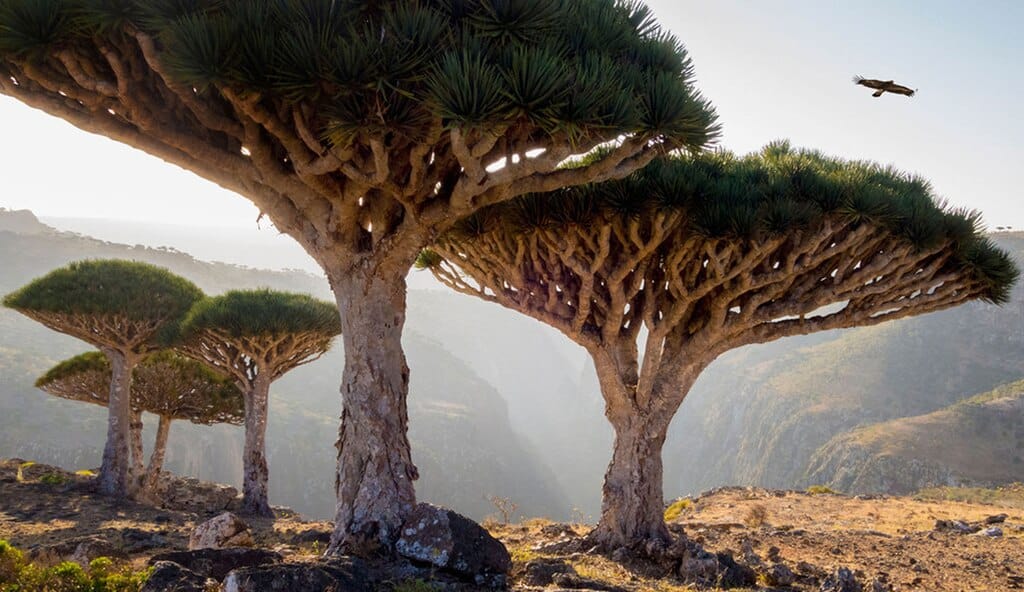
Socotra Island, in the Arabian Sea off Yemen, is famed for its unique biodiversity and alien landscapes. Isolation for millions of years allowed species like the dragon’s blood tree to evolve nowhere else on Earth. Rugged mountains, limestone plateaus, and dry valleys dominate the terrain. Small communities live along the coast, but interior regions remain largely inaccessible. Limited infrastructure, rough terrain, and the island’s isolation make exploration difficult. Socotra is recognised as one of the most unusual and least explored islands globally, attracting botanists, ecologists, and adventurous travellers who seek its striking and unusual natural formations.
Tibesti Mountains
The Tibesti Mountains rise from the Sahara Desert in northern Chad and southern Libya, featuring volcanic peaks including Emi Koussi, the highest in the Sahara. The range is extremely remote due to harsh desert conditions, rugged terrain, and limited infrastructure. Small Toubou communities inhabit valleys, but much of the area is rarely visited. Lava fields, deep canyons, and desert plateaus dominate the landscape. Political instability and extreme isolation have preserved the mountains’ natural environment. The Tibesti remain one of the least explored regions of the Sahara, attracting only dedicated scientists and adventurous mountaineers.
Tanezrouft Desert
The Tanezrouft Desert is a central Saharan region spanning Algeria and Mali, often called the “Land of Terror.” It features vast rocky plains, sand dunes, and salt flats, with almost no vegetation or water. Temperatures frequently exceed 50°C, making survival difficult. Historically, nomadic traders crossed the desert via ancient caravan routes, but today it remains nearly unvisited. Its harsh climate, lack of settlements, and isolation make Tanezrouft one of the most inhospitable and least explored deserts on Earth, maintaining its reputation as a forbidding wilderness.
Rub’ al Khali
The Rub’ al Khali, or “Empty Quarter,” is the largest sand desert in the world, covering much of Saudi Arabia, Oman, UAE, and Yemen. Massive dunes, some over 250 meters high, stretch across vast plains with minimal rainfall. Few permanent settlements exist, and water scarcity makes exploration challenging. Access is limited, mostly via specialised desert expeditions. Despite its extreme conditions, hidden salt flats and dry riverbeds dot the landscape. Large sections remain unexplored due to isolation and harsh climate, making the Rub’ al Khali one of the most remote and mysterious deserts globally.
Movile Cave
Movile Cave, in Romania, is an underground ecosystem isolated for over 5 million years. Sealed from the surface, the cave contains toxic gases and no sunlight, yet it hosts unique species of invertebrates and microbes found nowhere else. Access is tightly controlled due to its fragile environment. Scientists study the cave to understand life in extreme conditions. The isolation and unusual chemistry make Movile Cave one of the most remarkable and least explored subterranean habitats in the world.
The Arctic
The Arctic encompasses the polar region around the North Pole, including the Arctic Ocean, northern Greenland, Canada, Alaska, and Russia. While parts of the Arctic are inhabited or studied, the central ice-covered regions remain largely unexplored due to extreme cold, seasonal darkness, and shifting sea ice. Wildlife such as polar bears, walruses, and Arctic foxes survive in these harsh conditions. Access is limited to icebreakers, research vessels, and specialized aircraft. The Arctic’s remoteness and extreme environment make it one of the planet’s most isolated and least explored regions.
Gangkhar Puensum
Gangkhar Puensum, in Bhutan, is the world’s highest unclimbed mountain at 7,570 meters. Located near the Bhutan-China border, its remote location, steep terrain, and strict government climbing restrictions have kept it untouched. Dense forests cover lower slopes, and glaciers dominate the upper regions. Political restrictions and difficult access have prevented most expeditions. The mountain remains a sacred site for Bhutanese communities. Its combination of altitude, isolation, and cultural protection makes Gangkhar Puensum one of the least explored and mysterious peaks on Earth.
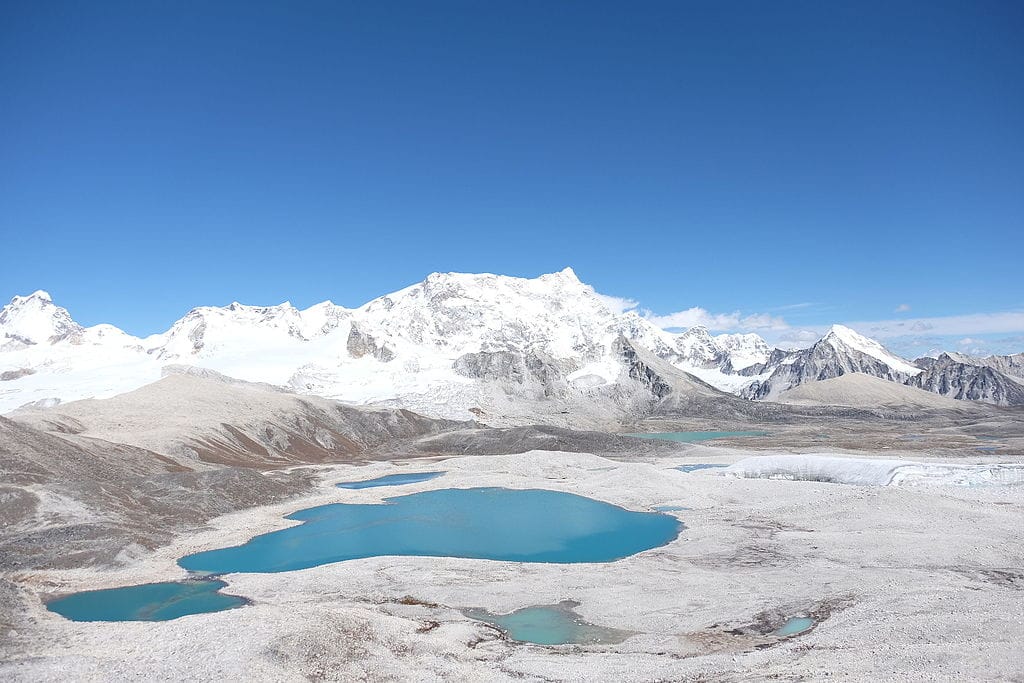
Northern Forest of Myanmar
The Northern Forest of Myanmar, bordering China, India, and Laos, contains vast, dense forests and rugged mountains. Limited infrastructure and political restrictions make much of this region hard to access. Indigenous communities inhabit parts of the forest, but remote valleys and peaks remain largely untouched. Wildlife includes tigers, elephants, and endemic birds. Thick vegetation and difficult terrain preserve the area’s ecological richness. This northern region of Myanmar is one of Southeast Asia’s least explored forests, attracting researchers and conservationists seeking unspoiled habitats.
North Sentinel Island
North Sentinel Island, part of the Andaman Islands in India, is one of the most isolated islands on Earth. Home to the Sentinelese people, who reject contact with outsiders, the island is legally protected, and approaching it is strictly prohibited. Dense tropical forests cover most of the terrain, with beaches along the coast. The lack of infrastructure, combined with the community’s refusal to interact, has kept the island virtually unexplored. Its isolation preserves both the culture of the Sentinelese and the natural environment. Scientists and travelers respect it as one of the last truly untouched human habitats in the world.
Gunung Mulu National Park
Gunung Mulu National Park is located in Sarawak, Malaysian Borneo and is famous for its limestone karsts, caves, and dense rainforests. Remote rivers, rugged terrain, and limited roads make many areas difficult to reach. The park contains some of the world’s largest cave systems, including the Sarawak Chamber, and unique biodiversity with endemic plant and animal species. Access is usually via small aircraft or river transport. Its combination of inaccessibility, vast cave networks, and untouched forests makes Gunung Mulu one of Southeast Asia’s least explored natural wonders.
Putorana Plateau
The Putorana Plateau, in northern Siberia, Russia, is a massive, remote plateau of volcanic origin with rugged cliffs, deep canyons, and thousands of lakes. Located above the Arctic Circle, access is extremely limited due to harsh weather, permafrost, and lack of roads. The area supports rare wildlife such as snow leopards, reindeer, and Arctic foxes. Scientific expeditions are infrequent because of the severe climate and isolation. Its dramatic landscapes, geological uniqueness, and inaccessibility make the Putorana Plateau one of the least explored and most pristine regions in the Arctic.
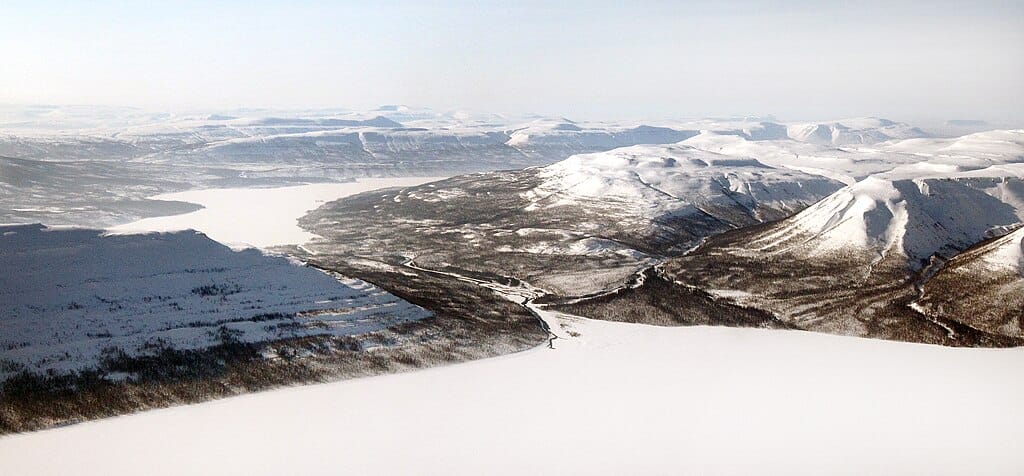
Taklamakan Desert
The Taklamakan Desert, in northwestern China, is one of the largest sandy deserts in the world. Its central regions are extremely remote, with towering dunes, gravel plains, and minimal water sources. The harsh climate, with scorching summers and freezing winters, makes survival difficult. Historically, Silk Road traders skirted its edges rather than crossing the interior. Few roads or settlements exist within the desert. Its vast, inhospitable landscape remains largely unexplored, preserving unique desert ecosystems and offering a rare glimpse into one of Central Asia’s most isolated environments.
Kamchatka
The Kamchatka Peninsula in Far Eastern Russia is a volcanic wilderness of rugged mountains, geysers, and rivers. Many areas remain inaccessible due to a lack of roads, extreme weather, and volcanic terrain. The peninsula is home to brown bears, reindeer, salmon-rich rivers, and vast tundra. Helicopters and small planes are often needed to reach remote zones. Kamchatka’s isolation has preserved some of the most dramatic volcanic landscapes in the world, making it a hotspot for scientists and adventurers seeking one of the least explored regions of Northeast Asia.
Mancha Barwa Region (Tibet)
The Mancha Barwa region, in southeastern Tibet, is an extremely remote mountainous area near the Indian and Bhutanese borders. Rugged peaks, deep gorges, and dense alpine forests make access difficult, with few roads or settlements. The region hosts rare Himalayan wildlife and endemic plant species. Trekkers face extreme altitude and harsh conditions, and scientific exploration is limited. Mancha Barwa remains one of the least explored corners of the Tibetan plateau, preserving both unique ecosystems and traditional lifestyles in its hidden valleys.
Son Doong Cave
Son Doong Cave, in Phong Nha-Kẻ Bàng National Park, Vietnam, is the world’s largest cave by volume. Its remote location in the Annamite Mountains makes access challenging; visitors must trek through dense jungle to reach it. Inside, it features massive chambers, underground rivers, and unique ecosystems, including endemic plants and insects. The cave is relatively newly explored, and parts remain largely untouched. Son Doong represents one of the least explored subterranean environments globally, drawing scientists and adventurers intrigued by its scale and mysterious formations.
Mariana Trench
The Mariana Trench, in the western Pacific Ocean, is the deepest part of the world’s oceans, plunging over 10,900 meters at the Challenger Deep. Its extreme depth, crushing pressure, and remote location make exploration extremely difficult. Manned missions and deep-sea robots have visited only a handful of times. Despite this, scientists continue to discover unique deep-sea life, including species adapted to total darkness and high pressure. The trench remains largely unexplored and represents one of the most extreme and isolated environments on Earth, hidden beneath the ocean surface.
Foja Mountains
The Foja Mountains, in Papua, Indonesia, are an isolated rainforest region with rugged terrain and dense jungle. Remote rivers and cliffs make access extremely difficult. The area remained largely unexplored until the early 2000s, revealing new species of birds, frogs, and insects. Indigenous communities live in limited areas, but much of the forest is untouched. Thick vegetation, high rainfall, and inaccessibility preserve the region’s rich biodiversity. The Foja Mountains are considered one of the last frontiers for biological discovery in Southeast Asia.
Star Mountains
The Star Mountains, in Papua, Indonesia, form a rugged, isolated mountain range near the border with Papua New Guinea. High peaks, deep valleys, and dense forests make access extremely challenging. The region hosts unique species of plants and animals, many still unstudied. Limited human habitation and few roads leave much of the landscape untouched. Its remoteness and ecological richness make the Star Mountains one of the least explored areas in Oceania, attracting scientists and explorers seeking pristine rainforest and alpine habitats.
Bosavi Crater
Bosavi Crater, in Papua, Indonesia, is a collapsed volcano forming a secluded rainforest ecosystem. The crater’s walls isolate its interior, creating a hidden environment with unique species of flora and fauna. Dense jungle and steep slopes make access difficult, requiring multi-day treks or helicopter drops. In 2009, scientific expeditions discovered several previously unknown species. Its isolation preserves biodiversity, making Bosavi Crater one of the most remarkable and least explored natural habitats in New Guinea.
Lorentz National Park
Lorentz National Park, in Papua, Indonesia, spans lowland forests, glaciers, and alpine tundra, covering one of the most ecologically diverse regions on Earth. Rugged mountains, rivers, and swamps limit accessibility. Indigenous communities inhabit some areas, but much of the park is untouched wilderness. Home to rare species of birds, mammals, and plants, Lorentz is recognised as a UNESCO World Heritage Site. Its combination of inaccessibility, size, and ecological importance makes it one of the least explored protected areas in Southeast Asia.
Cape York
Cape York Peninsula, in northern Queensland, Australia, is a vast, remote wilderness of tropical forests, savannahs, and rivers. Few roads cross the area, and much of the terrain is accessible only by 4×4 tracks or air. Indigenous communities inhabit scattered settlements, but large tracts remain pristine. Wildlife includes cassowaries, crocodiles, and rare marsupials. Seasonal flooding and dense forests make exploration difficult. Cape York’s remoteness preserves both ecosystems and cultural heritage, making it one of Australia’s least explored regions.
New Hebrides Trench
The New Hebrides Trench, in the Southwest Pacific Ocean, is a deep oceanic trench with depths exceeding 8,000 meters. Its extreme depth, remote location, and strong currents make exploration by submersibles rare. Scientists have documented a few species, mostly deep-sea invertebrates and fish, adapted to high pressure. The trench’s isolation and harsh conditions keep it largely unexplored, offering one of the most extreme and inaccessible marine environments in the world.
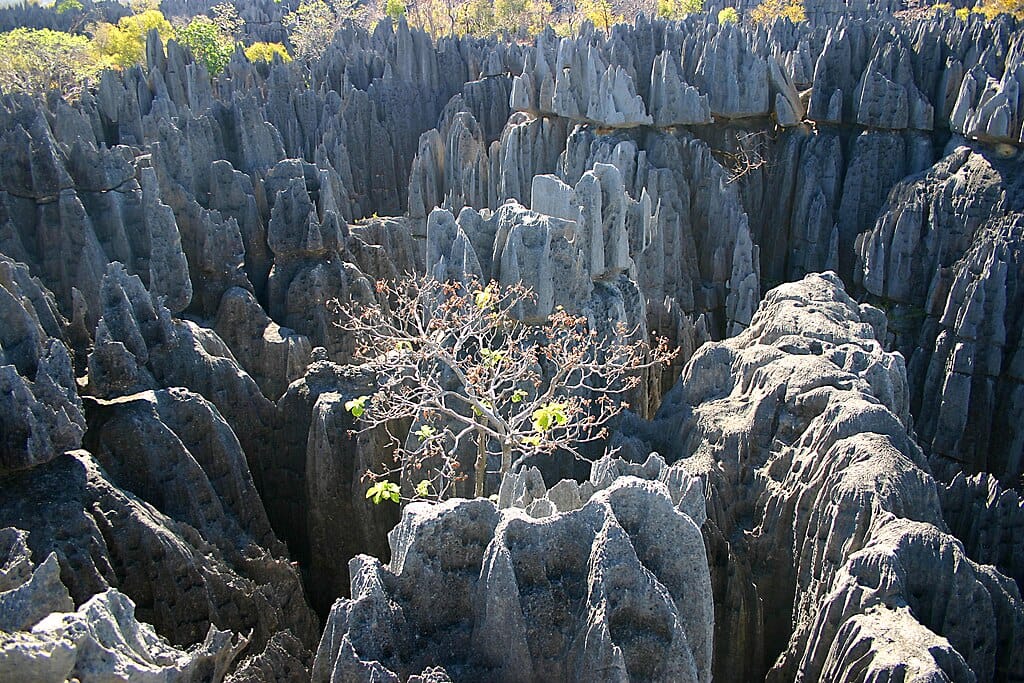
Tsingy de Bemaraha
Tsingy de Bemaraha, in western Madagascar, is a UNESCO World Heritage Site known for its dramatic limestone pinnacles, called “tsingy.” Sharp karst formations, deep canyons, and rivers make access difficult. Dense forests grow in hidden valleys, hosting lemurs, reptiles, and endemic plants. Limited roads and rugged terrain have kept much of the park unexplored. Its unique geology and biodiversity make Tsingy de Bemaraha one of Madagascar’s most isolated and least explored regions.
Heard Island
Heard Island, in the southern Indian Ocean, is a volcanic, subantarctic island administered by Australia. Remote and uninhabited, it features glaciers, rugged mountains, and active volcanoes. Access is possible only by long sea voyages or by helicopter from research vessels. Extreme weather and isolation preserve wildlife such as seals, penguins, and seabirds. Heard Island’s remoteness and harsh environment make it one of the least explored subantarctic islands.
Kerguelen Islands
The Kerguelen Islands, in the southern Indian Ocean, are a volcanic archipelago administered by France. Remote, uninhabited, and surrounded by rough seas, access is limited to occasional research vessels. The islands feature glaciers, rugged cliffs, and tundra landscapes. Wildlife includes penguins, seals, and seabirds. Harsh climate and isolation have preserved their ecosystems, making the Kerguelen Islands one of the most inaccessible and least explored regions in the southern oceans.
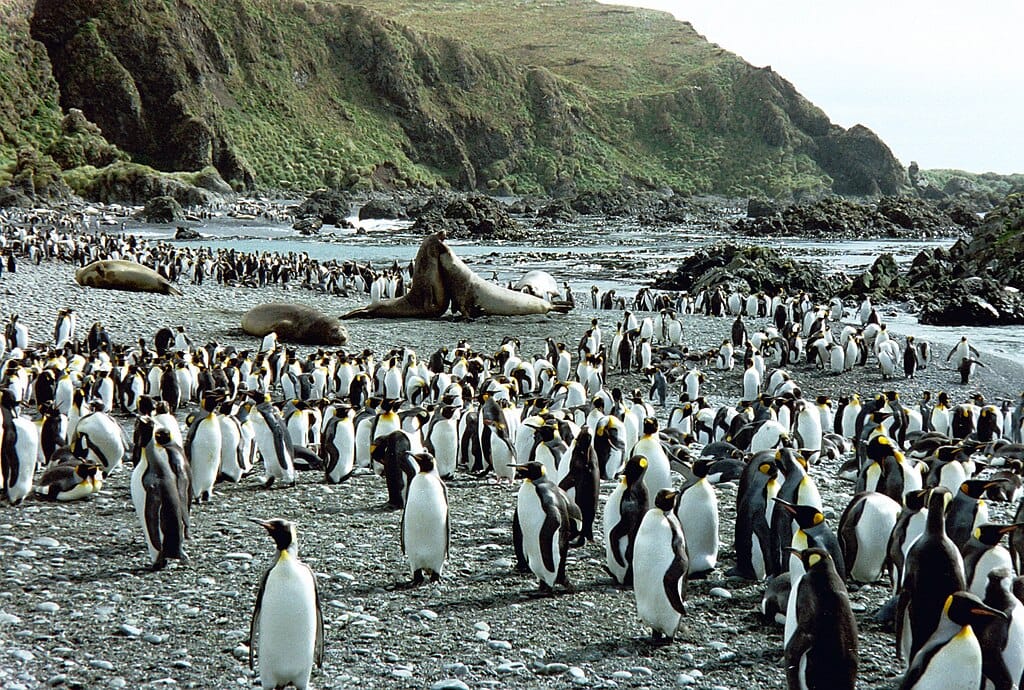
Macquarie Island
Macquarie Island, in the Southern Ocean between Australia and Antarctica, is a remote subantarctic island with rugged cliffs and tundra. Only a small research station exists, and access is limited by rough seas and weather. The island hosts large colonies of penguins, seals, and seabirds. Its isolation and harsh environment have kept it largely unexplored, preserving unique ecosystems and making it a key site for scientific study.
Antarctica
Antarctica, the southernmost continent, is covered almost entirely by ice, with extreme cold, high winds, and months of darkness. Access is limited to scientific stations and expedition ships, leaving vast interior areas untouched. Mountains, ice shelves, and hidden valleys remain largely unexplored. The continent supports penguins, seals, and specialised microbes. Its remoteness, extreme conditions, and lack of permanent human settlements make Antarctica the ultimate frontier for exploration on Earth.