
Everyday cycling is not only about distance.
For many residents in towns such as Warrington, the real question is whether a bike is easy enough to use in normal daily life. Can it be stored safely? Can it be moved through a hallway or garden gate? Can it be pushed into an office or shed? Can it be lifted onto a car rack when needed? Does it feel manageable in traffic, at junctions and on shared paths?
These practical questions often decide whether someone cycles regularly or leaves the bike at home.
Electric bikes have already made cycling more accessible by reducing the effort needed for hills, headwinds and longer journeys. But some e-bikes are heavy. That extra weight may not matter much once the motor is assisting, but it matters a great deal when the rider has to move, store or handle the bike without power.
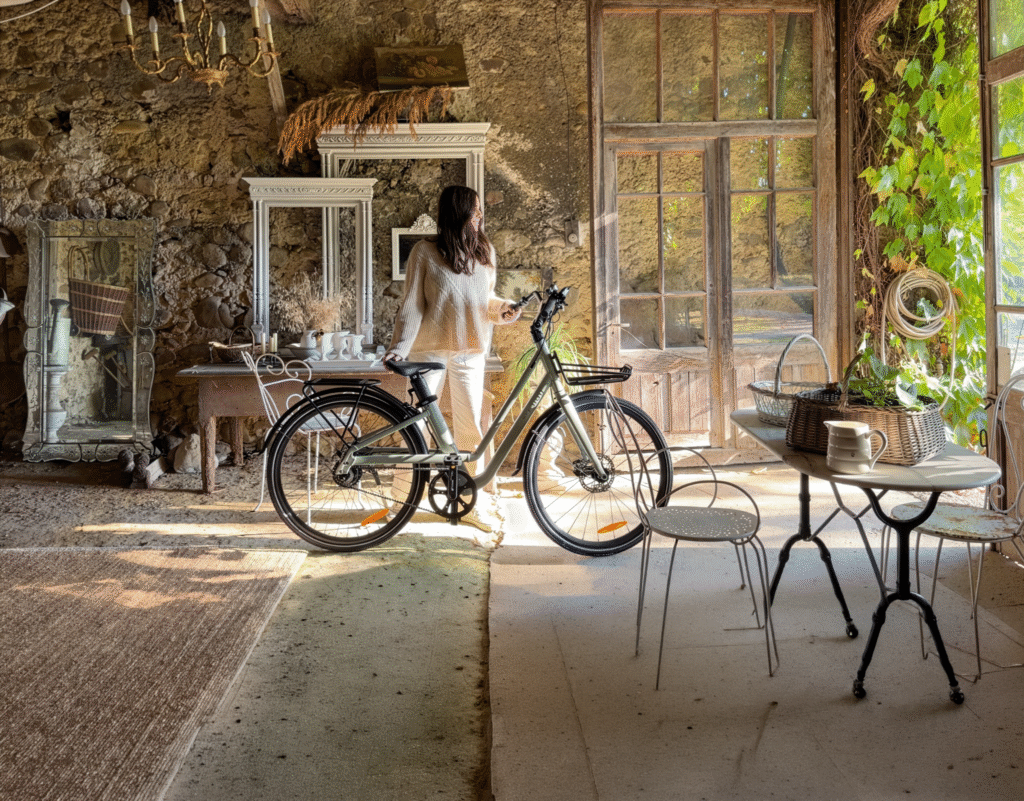
This is why lightweight e-bikes are becoming more relevant for everyday local travel.
They are not just a niche choice for performance riders. They can help commuters, flat residents, older returning cyclists, smaller riders and anyone who wants electric assistance without the bulk of a larger machine.
Why Weight Matters in Real Life
When people compare electric bikes, they often focus on motor power, battery range and price.
Those factors matter, but they do not tell the whole story. A bike can have a large battery and impressive specifications, yet still feel awkward if it is too heavy for the rider’s daily routine.
Weight affects the moments around the ride. It matters when taking the bike out of storage in the morning. It matters when pushing it through a narrow passage. It matters when lifting it over a kerb, parking it at work, moving it into a shed or securing it indoors. It also matters if the rider needs to combine cycling with a train, bus, car journey or office commute.
For residents who want electric assistance without the weight and bulk of a larger model, a lightweight ebike can make short local journeys easier to manage, store and repeat.
This is especially important for people who are trying to build a habit. A bike that feels easy to use is more likely to be used often. A bike that feels difficult to move may be used only occasionally, even if it rides well once on the road.
Lightweight E-Bikes and Local Journeys
Many journeys around Warrington are short enough for cycling.
The trip to work, the station, the shops, the town centre, a local appointment, the gym, a café or a friend’s house may only be a few miles. These are exactly the journeys where cycling can be practical, especially when traffic or parking makes driving less attractive.
However, ordinary cycling is not always realistic for everyone. Weather, wind, time pressure, work clothes, tiredness and small inclines can all discourage regular use. Electric assistance helps with these barriers.
A lightweight e-bike adds another layer of convenience.
It reduces the physical effort of riding while also reducing the handling burden of a heavier e-bike. That combination can make a local journey feel less like a commitment and more like a normal transport choice.
This matters because active travel succeeds when it fits into ordinary routines. People do not always change their travel habits because of one big decision. They change when the alternative becomes easy enough to repeat.
The Difference Between Riding Weight and Living Weight
An important distinction is the difference between riding weight and living weight.
Riding weight is how the bike feels when it is moving with assistance. A heavier e-bike can still feel smooth and easy once the motor is engaged.
Living weight is how the bike feels during everything else: lifting, pushing, parking, storing, manoeuvring and carrying out small daily tasks. This is where a lighter bike can make a significant difference.
A commuter may only ride for twenty minutes but handle the bike many times: taking it out, locking it, unlocking it, pushing it through a workplace entrance and storing it again at home. If those moments feel inconvenient, the rider may slowly stop using the bike.
For everyday cycling, living weight is just as important as riding performance.
Who Benefits Most From a Lighter E-Bike?
A lightweight e-bike can be useful for many types of riders.
Commuters benefit because a lighter bike is easier to handle before and after work. If secure cycle parking is limited, the option to bring the bike closer to a workplace or indoor space can be valuable.
Flat and terraced-house residents benefit because storage is often limited. Not everyone has a garage or wide garden access. A bike that is easier to move through tighter spaces may be much more practical.
Returning cyclists may also benefit. Someone who has not cycled regularly for years may feel more confident on a bike that is easier to control, push and park. Electric assistance helps with the ride itself, while lower weight helps with the overall experience.
Smaller riders can benefit too. This is not about creating a separate category for one group of people. It is about control. Riders of any age, height or strength may prefer a bike that feels manageable rather than intimidating.
Older riders may also value lighter handling. Many experienced cyclists want to keep riding for longer, but do not necessarily want a heavy e-bike that feels difficult to move when not riding. A lighter model can make everyday cycling feel more approachable.
Lightweight Does Not Mean Weak
A lightweight e-bike should not be judged only by the number on the scale.
The best lightweight design is not simply the lightest possible frame. It must still be strong, stable and safe. It needs reliable brakes, a sensible battery system, suitable tyres and a frame that can handle daily use.
This is where good design matters.
Reducing weight by removing useful features can make a bike less practical. A very light bike with poor comfort, limited range or weak braking is not a good everyday transport solution. A slightly heavier model with better components may be more useful for real riding.
The goal is balance.
A good lightweight e-bike should feel easy to handle without feeling fragile. It should be light enough to improve daily usability, but still strong enough for commuting, local roads and repeated use.
Battery Range and the Weight Trade-Off
Battery size is one of the main reasons e-bikes become heavy.
A larger battery can increase range, but it also adds weight. For some riders, that trade-off is worthwhile. Long-distance commuters or people who ride many miles each day may need the extra capacity.
For short local journeys, however, the biggest battery is not always necessary. A rider travelling a few miles each way may benefit more from lighter handling than from maximum range.
The right question is not “What is the largest battery available?” The better question is “How much range do I actually need, with a reasonable reserve?”
Weather, hills, rider weight, tyre pressure and assistance level all affect range. A practical e-bike should have enough capacity for the intended journeys, but not so much extra weight that the bike becomes difficult to live with.
This is one of the key decisions in lightweight e-bike design.
Brakes, Tyres and Road Conditions
A lighter e-bike still needs to perform safely on real roads.
Local riding can include wet surfaces, uneven tarmac, kerbs, shared paths, junctions and stop-start traffic. Good brakes are essential. An e-bike may travel faster than a normal bicycle in everyday use, and the rider must be able to slow down predictably.
Tyres matter as well. They affect grip, comfort and confidence. Narrow tyres may reduce rolling resistance, but wider or more stable tyres can be useful on rougher surfaces. The right choice depends on the route.
Lighting should also be considered. Commuters often ride in early mornings, evenings and darker winter conditions. Reliable front and rear lights are not optional extras for serious everyday use.
A lightweight e-bike should therefore be assessed as a complete vehicle, not just as a light frame with a motor.

Choosing an Electric Bike for the Real Journey
Choosing an electric bike should start with the real journey: distance, storage, lifting, security, road conditions and how often the bike will be used.
A rider with a garage and a long commute may prefer a larger commuter e-bike with more range. A rider carrying children or heavy loads may need a cargo e-bike. A rider combining transport with rail, office storage or small living spaces may care more about compact size and weight.
For many people, the practical question is not whether an e-bike can complete one ride. It is whether the bike can support the same journey every day without becoming inconvenient.
This is where lightweight models can be valuable. They reduce friction around the ride. They make the bike easier to take out, easier to park, easier to store and easier to handle.
When a bike is easier to manage, it becomes easier to choose.
Fiido Air, C21 and C11 Pro as Examples of Different Lightweight Directions
Lightweight e-bikes are not all designed in the same way.
Fiido Air is an example of a more minimalist lightweight approach. Its design direction focuses on reducing weight, simplifying the frame and creating a clean urban riding experience. This kind of concept suits riders who value easy handling, modern design and a lighter daily ride.
Fiido C21 takes a slightly different route. It fits riders who want a lighter electric bike with a more versatile feel, suitable for commuting and mixed urban surfaces. For people who ride through town, parks or uneven local paths, that balance can be useful.
The Fiido C11 Pro is a lightweight electric bike with a removable battery that represents a different approach to lightweight design: comfort and everyday practicality. It fits more closely into the city commuter category, where the goal is not only to reduce weight, but also to provide a comfortable riding position, practical range and reliable performance for daily use.
These examples show that lightweight design is not one single formula. Some bikes focus on minimalism. Some focus on versatility. Others focus on comfort and commuting. The right choice depends on how the bike will actually be used.
Security and Storage Still Matter
A lighter bike may be easier to bring indoors, but security remains important.
Electric bikes are valuable, and riders should think carefully about where and how they are stored. A strong lock, secure parking habits and covered storage can make regular use more practical. If the battery is removable, storing it indoors may also help with charging and protection.
For many riders, security is closely linked to weight. A bike that can be moved indoors more easily may be less exposed to theft or weather. That can make ownership less stressful.
Storage is not just a small detail. It can decide whether someone rides daily or only occasionally.
When a Lightweight E-Bike Is Not the Best Choice
Lightweight e-bikes are useful, but they are not the answer for every rider.
If someone regularly carries heavy loads, a cargo bike may be more appropriate. If the route is long and demanding, a larger battery and more robust frame may be more useful. If maximum comfort on rough roads is the priority, a heavier bike with wider tyres or suspension may be better.
The point is not that lighter is always better.
The point is that weight should be considered honestly. If lifting, storing and handling the bike are major parts of the routine, lower weight can make a major difference. If those factors do not matter, another type of e-bike may be more suitable.
Lightweight E-Bikes and Everyday Active Travel
For towns such as Warrington, the future of local transport will not depend on one solution.
Cars will remain important for many journeys. Public transport will continue to serve key routes. Walking will always be the simplest option for very short distances. Cycling and e-bikes can fill the space between these choices.
Lightweight e-bikes can help because they make cycling more approachable. They are easier to handle than many heavier models and less demanding than traditional cycling over longer or windier routes. That makes them useful for people who want to reduce short car journeys without making daily travel more complicated.
This is the real value of lightweight electric mobility.
It does not ask every resident to become a serious cyclist. It simply makes everyday cycling easier to start and easier to repeat.
Conclusion: Easier Handling Can Lead to More Riding
A lightweight e-bike is not just about technical specifications.
It is about whether a bike fits into daily life.
For Warrington residents, that may mean commuting to work, riding to the town centre, connecting with public transport, storing the bike in a flat, moving it through a narrow space or choosing cycling for short local journeys that might otherwise be made by car.
The best lightweight e-bike is not necessarily the absolute lightest model available. It is the one that balances weight, safety, comfort, range and daily practicality.
When an e-bike is easier to lift, easier to store, easier to control and easier to use often, it becomes more than a transport product.
It becomes a realistic part of everyday travel.
-sponsored-