Among the various self-defence mechanisms that different species of ants developed to protect themselves from daily threats, the most curious is the kamikaze style of the Colobopsis Exploden species. Easy guess from their name… yes, these ants explode, sacrificing themselves to protect the whole colony.
According to recent studies, there are at least 15 species of exploding ants, all part of the Colobopsis genus, mainly living in Southeast Asia (Thailand, Malaysia and Borneo), and India.
The individual capable of this deadly self sacrifice are the small-sized workers: while guarding the colony’s nest entrance, they use their special glands to burst their bodies, producing a yellow chemical mixture which, while not being toxic or poisonous, is extra sticky, and can block invaders even with much bigger sizes like grasshoppers, for example.
If you travel around Brunei, pop in at the Kuala Belalong Fields Studies Centre in Temburong District and you might have a look at these fascinating ants.
The Mapimí Silence Zone is one of Mexico’s most fascinating and controversial natural regions, located within the Bolsón de Mapimí desert, where the states of Durango, Chihuahua, and Coahuila meet. Known as Zona del Silencio, this remote area has become famous for its reported signal disruptions, unusual geological composition, and a long history of myths and scientific curiosity.
Despite its mysterious reputation, the region is part of the protected Mapimí Biosphere Reserve, making it both a natural wonder and a subject of ongoing research.
One of the most intriguing aspects of the Silence Zone is the consistent reports of communication interference. Visitors, pilots, and researchers have long described situations in which radio signals suddenly cut out without warning, GPS devices lose accuracy or fail completely, and satellite communications become unreliable in certain parts of the desert. Even traditional navigation tools appear to behave strangely, with compasses occasionally spinning or failing to point in a stable direction.
These phenomena are not constant, which makes them even more puzzling. Some areas appear unaffected, while others experience temporary disruptions, often without a clear pattern. This inconsistency has contributed significantly to the mystique of the Silence Zone, attracting both scientific investigation and widespread speculation.
Scientific explanation behind the phenomenon
Although the Silence Zone is often associated with mystery and paranormal theories, scientific research offers more grounded explanations. The most widely accepted theory focuses on the region’s unusual geological composition, which plays a key role in the reported signal disturbances.
Beneath the desert surface, there are believed to be large deposits of magnetite, a naturally occurring mineral with strong magnetic properties. In addition to this, the soil and rock formations contain high concentrations of iron and other conductive materials. Over time, the area has also accumulated debris from meteorite impacts, further contributing to its unique electromagnetic environment.
When combined with specific atmospheric conditions, these elements can interfere with radio waves and electronic instruments. Rather than being a true “silent” zone, the region is better understood as an area where electromagnetic irregularities may occur intermittently.
A meteorite hotspot
The Silence Zone is also known as one of Mexico’s most important meteorite regions, with a history of frequent impacts that have shaped both its geology and its reputation. Scientists have identified several significant meteorite events in the area, including major falls recorded in 1938 and 1954.
The most famous of these is the Allende meteorite explosion in 1969, which scattered fragments across a wide portion of the desert. This meteorite is considered one of the most studied in the world, as it contains some of the oldest known material in the solar system. Its presence in the region has strengthened the idea that extraterrestrial elements may contribute to the area’s magnetic anomalies.
Even today, fragments of meteorites can still be found scattered across the desert floor, adding another layer of scientific and exploratory interest to the Silence Zone.
The 1970 Athena missile incident
The global spotlight turned to the Silence Zone following a remarkable incident in 1970 involving a U.S. military missile. An Athena rocket, launched during a test from a base in the United States, unexpectedly veered off course and crashed deep within the desert.
The recovery operation that followed was extensive and highly complex, involving American scientists, military personnel, and specialised equipment. Teams were deployed to locate and retrieve the missile components, and the mission required the construction of temporary infrastructure in the otherwise isolated region.
This incident not only drew international attention to the Silence Zone but also led to further scientific studies of the area’s geology and electromagnetic properties, reinforcing its reputation as one of the most unusual places in North America.
Unique environment and biodiversity
Beyond its mysterious reputation, the Silence Zone is an ecological treasure within the Mapimí Biosphere Reserve. The harsh desert conditions have created a unique environment in which only specially adapted species can survive, resulting in a landscape rich in biodiversity despite its apparent barrenness.
The flora includes resilient desert plants such as the creosote bush, along with unusual purple cactus varieties that stand out against the sandy terrain. These plants have evolved to withstand extreme heat, prolonged drought, and poor soil conditions.
The fauna is equally remarkable. The region is home to endemic species such as the Mapimí Bolson tortoise, a reptile uniquely adapted to the desert ecosystem. Other wildlife includes a variety of reptiles, birds, and small mammals that have developed specialised survival strategies. Reports of unusually large or “mutated” plants and animals have circulated for years, although these are generally understood to be natural adaptations rather than true mutations.
The landscape itself enhances the sense of isolation, with vast open plains, scattered rocky formations, and an almost surreal silence that defines the visitor experience.
A visit to the Silence Zone is not about traditional tourism but about immersion in a remote and enigmatic environment. The experience is centred on exploration, observation, and understanding the delicate balance of this desert ecosystem.
Travellers typically join guided expeditions led by local experts who are familiar with the terrain and its conditions. These tours provide insight into both the scientific aspects of the region and the many legends that surround it. The area is also ideal for stargazing, as the lack of light pollution creates exceptionally clear night skies where stars appear vivid and countless.
Wildlife observation and photography are popular activities, particularly for those interested in rare desert species and dramatic landscapes. The silence, vastness, and isolation create a unique atmosphere that is difficult to find elsewhere.
Best time to visit
The most suitable time to visit the Silence Zone is between October and March, when temperatures are significantly milder and more comfortable for outdoor exploration. During these months, the desert climate is more forgiving, allowing visitors to spend extended periods outside.
In contrast, the summer months, particularly from June to August, can be extremely harsh, with temperatures often exceeding 40°C. Visiting during these periods can be challenging and potentially dangerous without proper preparation.
Even during the cooler season, it is advisable to explore the area during the early morning or late afternoon, when the light is softer and the temperatures are more manageable. Nights in the desert can become surprisingly cold, adding another layer to the experience.
How to get there
Reaching the Silence Zone requires careful planning due to its remote location and limited infrastructure. The journey typically begins with a flight to Torreón or Durango City, both of which serve as gateways to the region.
From there, travellers must continue by road to the small town of Ceballos, which acts as the main access point to the Silence Zone. The final part of the journey involves travelling into the desert itself, usually in a 4×4 vehicle accompanied by a local guide.
Independent travel is strongly discouraged due to a lack of clear routes, reliable navigation systems, and basic services. Guided tours not only ensure safety but also provide valuable context and knowledge about the area.
Myths, legends, and reality
Over the years, the Silence Zone has become a focal point for myths and legends that continue to capture the imagination of visitors. Stories of UFO sightings, paranormal encounters, and even distortions of time and space are frequently associated with the region.
While these tales contribute to its allure, scientific evidence does not support the existence of supernatural phenomena. Instead, the combination of natural electromagnetic irregularities, isolation, and human curiosity has created a powerful narrative that blends reality with imagination.
Not painted in the famous blue of its northern cousin, Tetouan captivates visitors with a striking all-white elegance that feels both serene and authentic. Often called the “White Dove,” this refined city at the foothills of the Rif Mountains offers a quieter and more genuine Moroccan experience than many destinations increasingly shaped by mass tourism.
Once capital of the northern Moroccan Spanish Protectorate, Tetouan had seen centuries of different immigration paths, from Jewish and Moors fleeing from Spain, as Algerians did during the Ottoman Period from the French.
A wonderful mix of Roman, Phoenician, Spanish and Arab architecture influenced Tetouan, providing the great charming appeal that can be found today. The Medina is a World Heritage site and is listed among the UNESCO Creative Cities Network.
One of Tetouan’s greatest charms is its relaxed atmosphere. You won’t find constant pressure from merchants or aggressive selling tactics. Instead, you can explore traditional souks, visit historic hammams, discover small museums, or attend local festivals at your own pace — often feeling less like a tourist and more like a temporary local.
Far in the heart of the Sahara Desert, the Hoggar Massif rises like a forgotten kingdom of stone. Also called the Ahaggar Mountains, this immense volcanic plateau dominates southern Algeria and surrounds the desert town of Tamanrasset, a historic Tuareg settlement.
The Hoggar is not a single mountain but a vast region of ancient rock, cliffs, and valleys shaped by fire and wind. It stands as a symbol of the deep Sahara — harsh, majestic, and unexpectedly alive.
The massif’s dramatic peaks are the remains of volcanic eruptions that occurred millions of years ago. As the magma cooled and the surface eroded, it left behind strange basalt towers and domes that rise sharply from the plateau.
The highest summit, Mount Tahat (2,908 m), is the roof of Algeria. Around it extends the Atakor Plateau, an otherworldly landscape of spires and pillars that glow red and orange at dawn. From the air, the Hoggar looks like a vast stone ocean frozen in time, a memory of the Earth’s past.
This region is one of the geologically oldest in Africa. Beneath its black volcanic crust lie Precambrian rocks, among the most ancient formations on the planet, revealing a story written across billions of years.
People of the Desert
Despite its isolation, the Hoggar has long been home to the Tuareg, a nomadic people who have crossed these deserts for centuries. Their culture, shaped by the rhythm of sand and stars, gives the region its soul.
In the early 1900s, the French hermit Charles de Foucauld settled here, building a small chapel on the Assekrem Plateau. Today, his retreat remains a site of pilgrimage, offering one of the most breathtaking views in the Sahara, an amphitheatre of volcanic peaks burning with the light of the setting sun.
How and When to Visit
The Hoggar Massif can be reached from Tamanrasset, served by flights from Algiers. From there, desert excursions lead into the mountains by 4×4 or guided trekking routes. Most journeys include Assekrem, Mount Tahat, and the ancient rock art sites scattered across nearby valleys.
The best time to visit is between October and March, when daytime temperatures are comfortable and the nights cool and clear. Visitors should always travel with licensed local guides, as the terrain is remote and conditions can change quickly.
For travellers seeking something beyond the ordinary, the Hoggar offers silence, immensity, and the raw beauty of a world untouched by time.
Located in northwest Saudi Arabia, maybe less popular than the pyramids of Giza or Petra and the Wadi Ruma, AlUla is yet one of the most extraordinary desert destinations in the Middle East.
This region combines dramatic canyons with monumental rock formations, ancient Nabataean tombs, a lush oasis, and a historic mud-brick old town, all within one vast open-air archaeological landscape.
Hegra – The Nabataean Tombs
The main highlight of AlUla is Hegra, Saudi Arabia’s first UNESCO World Heritage Site.
Built over 2,000 years ago by the Nabataeans, Hegra contains more than 90 monumental tombs carved directly into sandstone outcrops. The site was an important trading city along ancient caravan routes linking Arabia, Egypt and the Mediterranean.
The most photographed structure is Qasr al-Farid, a massive single tomb standing alone in the desert. Its unfinished lower section still shows chisel marks from ancient stone workers.
Visitor access is organised by guided tour, and booking in advance is recommended.
AlUla Old Town
Near the oasis lies AlUla Old Town, a traditional settlement inhabited until the 1980s.
The town consists of tightly packed mud-brick houses, narrow alleys, small courtyards and defensive walls. It once served as a key stop for pilgrims and traders travelling across the Arabian Peninsula.
Above the old town stands AlUla Castle, offering panoramic views over the oasis and the surrounding valley.
Today, parts of the Old Town have been restored and include cafés, artisan shops and cultural spaces.
Beyond its archaeological sites, AlUla is known for its impressive geological landscape.
Elephant Rock (Jabal AlFil)
The most famous formation is Elephant Rock, a 52-meter sandstone monolith naturally shaped like an elephant. It is especially popular at sunset when the rock turns deep red.
These formations were shaped by wind erosion over millions of years and make AlUla ideal for hiking and photography.
Dadan and Jabal Ikmah
Before the Nabataeans, the region was home to the kingdoms of Dadan and Lihyan.
At Dadan, visitors can see cliff-carved tombs dating back to the 1st millennium BCE.
Nearby, Jabal Ikmah contains thousands of ancient inscriptions carved into canyon walls, earning it the nickname “open-air library.”
The AlUla Oasis
In contrast to the surrounding desert, the AlUla Oasis is filled with palm groves and agricultural land sustained by natural springs and traditional irrigation systems.
Walking through the shaded oasis paths provides a different perspective of the region and highlights how this valley supported human settlement for thousands of years.
Hot Air Balloon Over AlUla
One of the most unique experiences in AlUla is a sunrise hot air balloon flight.
From above, you can see:
The rock-cut tombs of Hegra
The sandstone formations scattered across the valley
The green ribbon of the oasis
The vast desert landscape stretching toward the horizon
Flights usually operate early in the morning when wind conditions are stable.
Maraya – Modern Architecture in the Desert
Another notable attraction is Maraya, the world’s largest mirrored building. The structure reflects the surrounding desert cliffs and hosts concerts and cultural events.
Best Time to Visit AlUla
The ideal period to visit is between October and April, when temperatures are cooler and suitable for outdoor exploration.
The Pink Granite Coast – Côte de Granit Rose, stretching between Perros-Guirec and Trégastel in northern Brittany, is one of France’s most unique coastal landscapes. Its name comes from the extraordinary pink-hued granite formations that dominate the shore. Sculpted by wind, waves, and time, these rocks have taken on bizarre and playful shapes, making the coastline a natural open-air sculpture park.
Walking along the coastal path, you’ll encounter formations like the Chapeau Napoléon (Napoleon’s Hat), the Witch’s Head, and rocks that strikingly resemble faces (we saw some Star Wars Troopers). Depending on the light, the granite shifts in shades from deep rose to orange, making the scenery almost surreal.
The pink granite here is over 300 million years old, formed during the late Carboniferous period. It owes its colour to feldspar crystals rich in potassium, mixed with quartz and mica. Over millennia, erosion by wind, tides, and saltwater has sculpted the rounded shapes. The area is one of only few places in the world with this distinctive rose-colored granite.
The coastline can be visited year-round, but the most spectacular views come at sunrise and sunset, when the low light intensifies the pink, orange, and golden tones of the rocks. Summer offers pleasant weather for long walks, while spring and autumn bring fewer crowds and dramatic skies.
One of the highlights of the walk is the Ploumanac’h lighthouse, also called Mean Ruz, built entirely from the same local pink granite. The original structure, dating back to 1860, was destroyed during World War II and rebuilt in 1946 in its current form. Today, the lighthouse has become the emblem of the Pink Granite Coast. Standing proudly against the backdrop of bizarre rocks and the Atlantic waves, it is one of the most photographed lighthouses in France, especially at sunset when it glows in the evening light.
The most convenient parking is Rue Saint Guirec in Ploumanac’h, where you can start and end a scenic walk through Plage Saint-Guirec. Alternatively, you can park at the Parking payant Pointe de Granit and access the coastal path from there. Both routes lead to breathtaking stretches of the Sentier des Douaniers, which hugs the coastline.
After your walk, reward yourself with some of the best galettes and crêpes in the region at Le Mao restaurant, a local favourite that combines Breton tradition with generous flavours.
We all know that forests are vital to our lives, providing the air we breathe and housing over half of the world’s land-based wildlife. It is never enough to emphasize the issue of deforestation which threatens both human health and our planet by increasing carbon emissions, contributing to pollution, and driving climate change. In this article, we will focus on two major contributors: palm oil production and illegal logging.
Font: WWF
According to a deforestation report from the World Wildlife Fund, we lost over 160,000 square miles between 2004 and 2017.
Agriculture is the leading driver of global deforestation, fueled by increased food consumption. Palm oil plantations, in particular, have a significant impact. Palm oil is primarily used for cooking in developing countries and is also found in food products, detergents, cosmetics, and, biofuel.
While plantations expand across Asia, Africa, and Latin America, providing job opportunities for local communities who, drawn by the prospect of decent wages, do not realize the long-term consequences, this growth is causing widespread destruction of critical habitat for many endangered species including orangutans, rhinos, elephants and tigers. Moreover, burning forests to make room for the crop is also a major source of greenhouse gas emissions and intensive cultivation methods result in soil pollution, erosion, and water contamination.
With better management practices, the palm oil industry can thrive without harming forests. By enforcing strict production criteria, oil palm plantations can operate sustainably without encroaching on rainforests.
WWF is actively involved in this effort by:
Promoting sustainable palm oil production through the Roundtable on Sustainable Palm Oil (RSPO), which includes palm oil producers, buyers, and environmental groups
Encouraging companies to use certified sustainable palm oil in their products
Working to remove incentives that drive forest destruction for palm oil production
In Borneo, forests are disappearing rapidly, with palm oil plantations and illegal logging causing the loss of half the island’s forest cover in the past 50 years.
Due to poverty and limited access to healthcare, many residents have turned to illegal logging.
Founded in 2006, Health in Harmony (HIH) is a rainforest conservation organization that supports the health of people, ecosystems, and the planet by collaborating with rainforest communities on solutions in healthcare, livelihoods, and education.
Although Indigenous Peoples and Local Communities represent only 6% of the global population, they protect over 80% of Earth’s biodiversity. HIH believes these communities are the experts the world must listen to and work with to address the climate crisis.
In 2017, the company launched a chainsaw buyback program, offering farmers money and support to establish alternative livelihoods in exchange for turning in their chainsaws. HIH’s healthcare clinic allows residents to pay in whatever way they can, whether with cash, seedlings, manure, rice husks, or other available resources and the medical centre provides also discounts to villages that demonstrate a reduction in illegal logging.
A 2020 Stanford University study, published in the Proceedings of the National Academy of Sciences, detailed the ten-year impact at a proof-of-concept site in West Kalimantan, Indonesia. Encouraged by the positive outcomes, HIH developed a plan to scale up their efforts, expanding to additional sites in West Kalimantan (Bukit Baka Bukit Raya), the Manombo Forest in southern Madagascar, and the Xingu River Basin in the Amazon Rainforest, Brazil.
Here are some interesting numbers:
8.7 million hectares of rainforest protected 88,441,929 pounds of carbon dioxide protected in Indonesia 10,322 patient visits conducted across all sites 697 under-5 infants received healthcare in Borneo 3,000+ orangutans protected in Borneo Increased access to family planning and birth control at all program sites 42,000+ old-growth trees protected in Borneo through Chainsaw Buyback 1,690 community members received benefits from our Conservation Stimulus package in Indonesia 10,196 people in 28 villages supported through community outreach programs in Borneo 87,295+ signatures on our petition to U.S. Congress on future pandemic prevention
In 2024, HIH aims to protect 11 million hectares of rainforest across Indonesia, Madagascar, and Brazil, with Indigenous Peoples and local communities leading the efforts. This includes an additional 1.65 million hectares to be safeguarded this year. The organization will also support 335,000 people in these regions as they work to protect rainforests globally.
This website uses cookies to improve your experience. We'll assume you're ok with this, but you can opt-out if you wish. Cookie settingsACCEPT
Privacy & Cookies Policy
Privacy Overview
This website uses cookies to improve your experience while you navigate through the website. Out of these cookies, the cookies that are categorized as necessary are stored on your browser as they are essential for the working of basic functionalities of the website. We also use third-party cookies that help us analyze and understand how you use this website. These cookies will be stored in your browser only with your consent. You also have the option to opt-out of these cookies. But opting out of some of these cookies may have an effect on your browsing experience.
Necessary cookies are absolutely essential for the website to function properly. This category only includes cookies that ensures basic functionalities and security features of the website. These cookies do not store any personal information.
Any cookies that may not be particularly necessary for the website to function and is used specifically to collect user personal data via analytics, ads, other embedded contents are termed as non-necessary cookies. It is mandatory to procure user consent prior to running these cookies on your website.


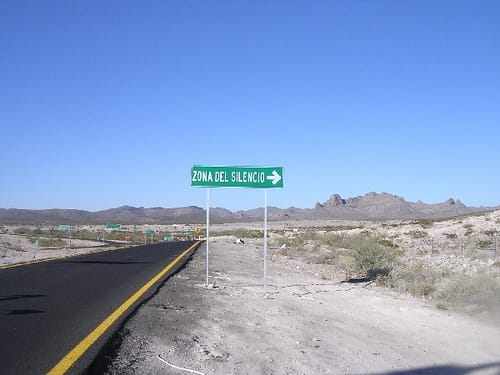


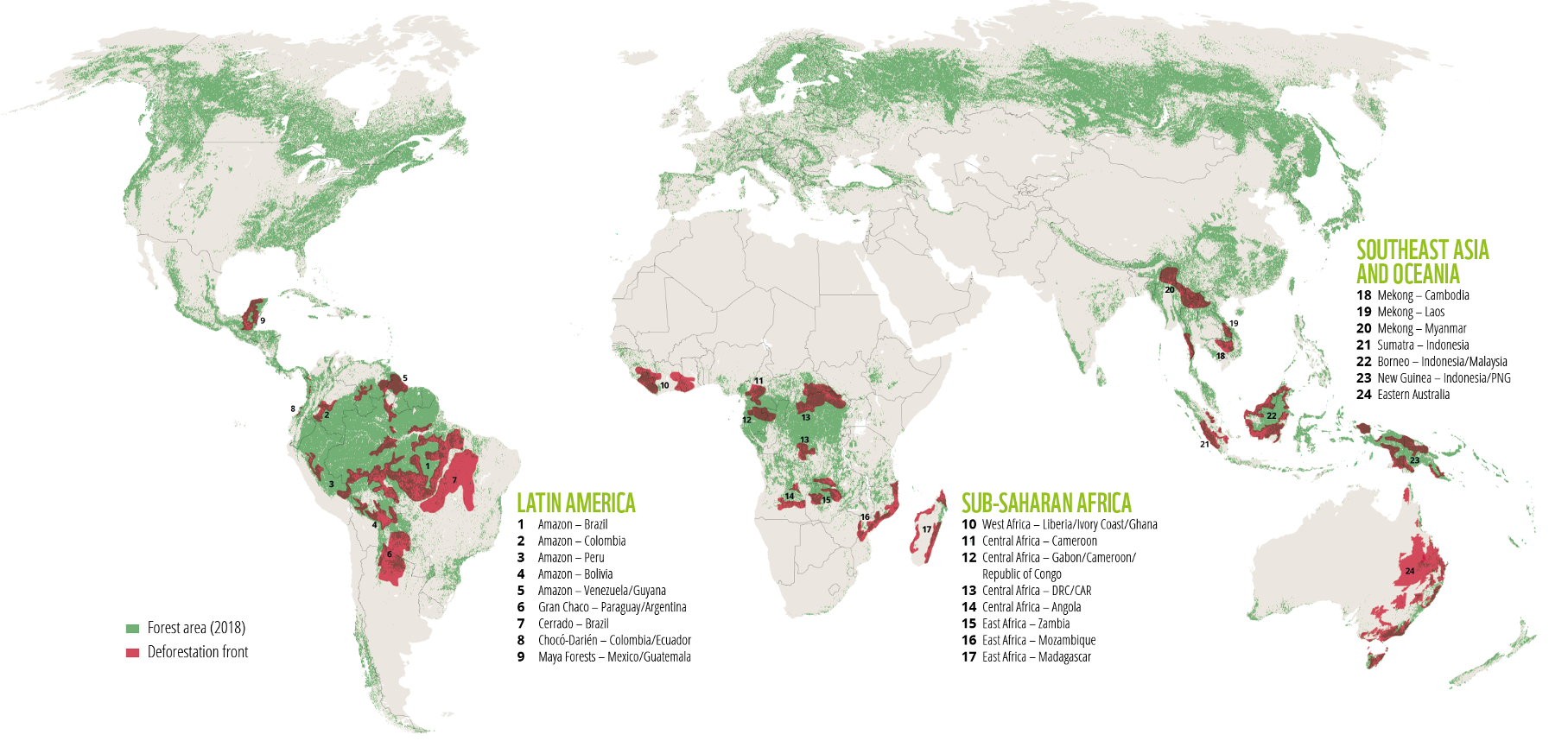
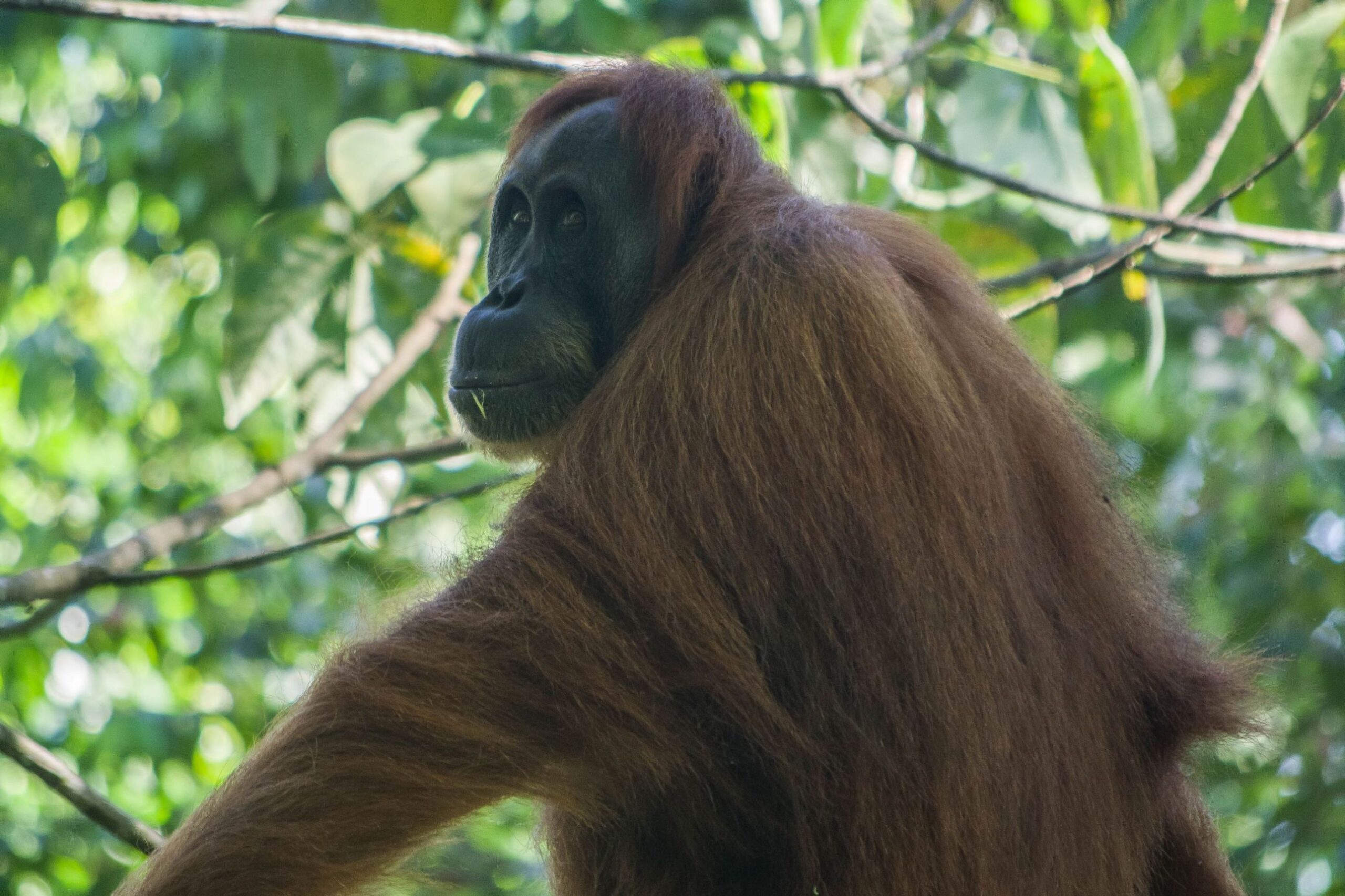
_Figure_2.jpg)