
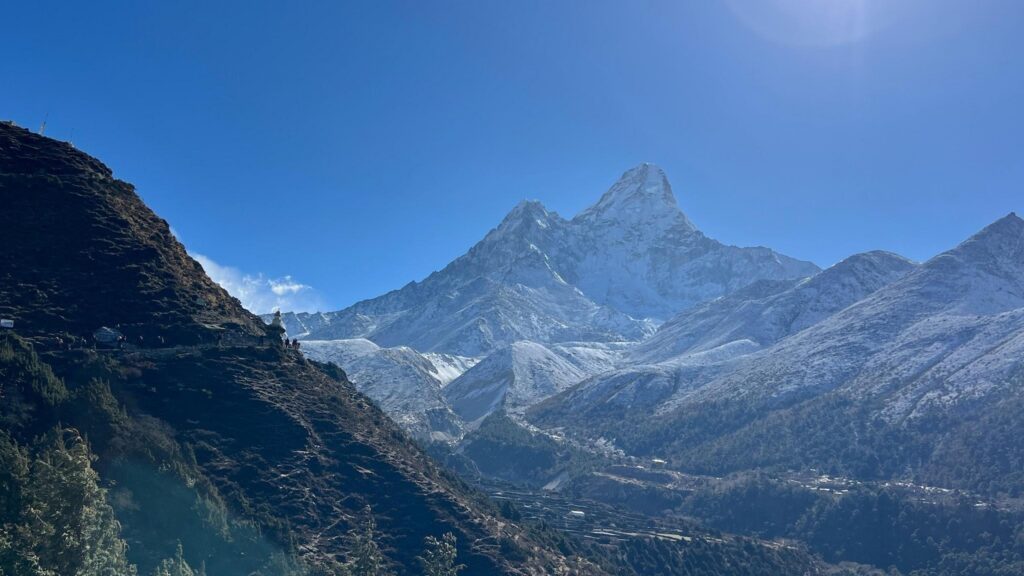
Nepal is home to some of the world’s most celebrated trekking routes, and two trails consistently rise to the top of every serious trekker’s list: the classic Everest Base Camp Trek and the increasingly popular 7-Day Annapurna Base Camp Trek. While both journeys take you deep into the Himalayas, they offer remarkably different experiences in terms of terrain, altitude, culture, logistics, and overall atmosphere.
This guide breaks down the key differences between these two iconic treks so you can make an informed decision based on your fitness level, available time, budget, and what kind of mountain experience you are looking for.
Understanding What Makes Each Trek Unique
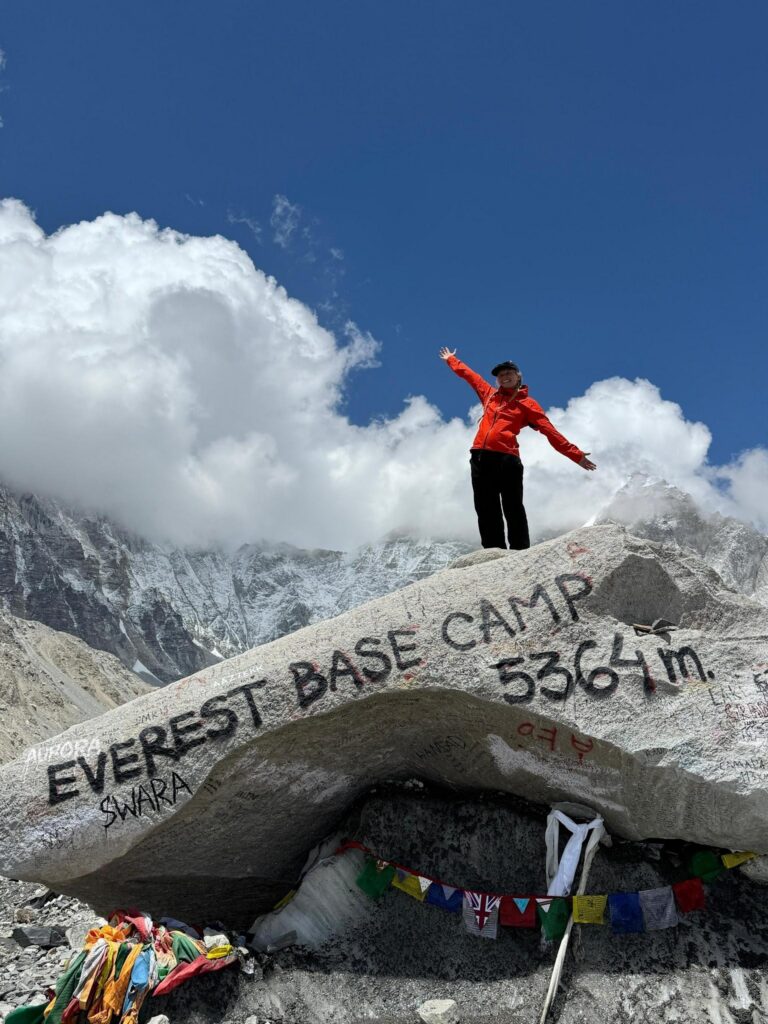
The Everest Base Camp Trek has long carried a kind of mythological status among hikers worldwide. Walking through the Khumbu region to reach the foot of the world’s tallest mountain is not just a physical accomplishment; it is a deeply personal journey through glacier-carved valleys, wind-swept ridgelines, and high-altitude Buddhist settlements. For many, reaching Base Camp at 5,364 meters is a defining moment in a lifetime of travel.
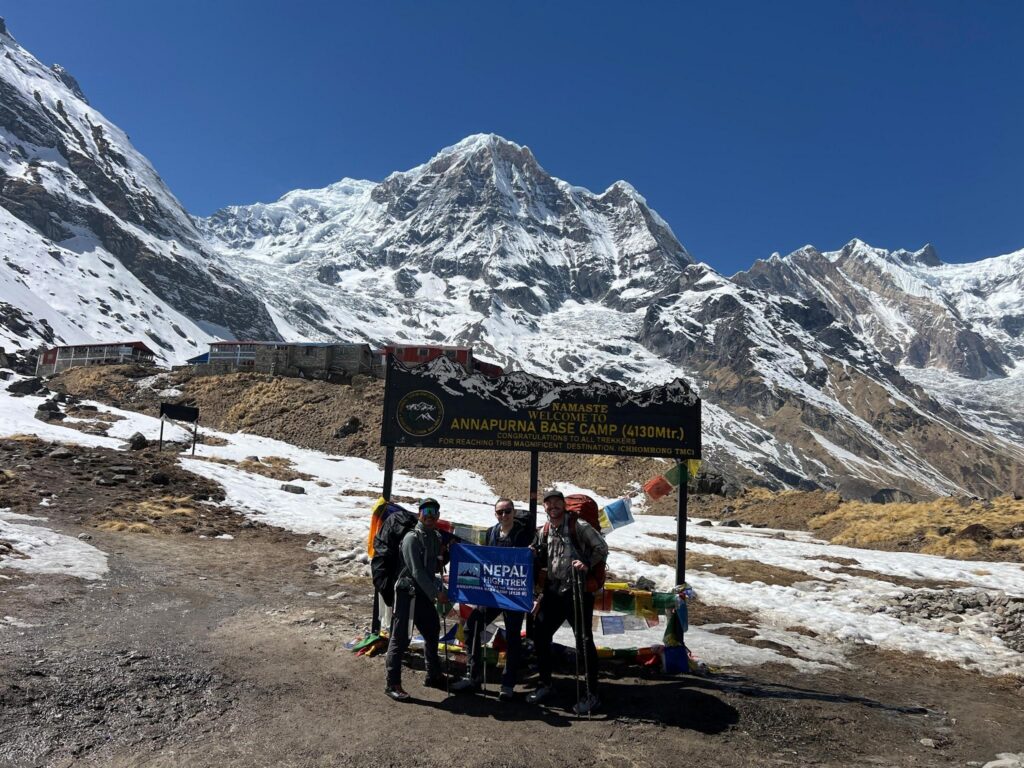
The 7-Day Annapurna Base Camp Trek, on the other hand, offers something more compact and layered. Rather than one dramatic endpoint, the entire route feels eventful, shifting from subtropical lowlands and terraced rice fields into alpine meadows and the extraordinary natural amphitheatre at Annapurna Base Camp (4,130 meters). Its shorter duration makes it particularly appealing for travellers who want genuine Himalayan immersion without a multi-week commitment.
Himalayan Terrain Compared: Two Completely Different Mountain Worlds
Landscape may be the most striking difference between these two treks. The Everest region is defined by raw, high-altitude terrain, rocky moraines, glacial rivers, frozen lakes, and windswept passes. As you gain elevation, the world gradually strips itself of vegetation and colour, leaving behind an awe-inspiring but austere environment. The Khumbu Glacier and the towering faces of Lhotse and Nuptse create a sense of monumental scale that few places on earth can match.
The Annapurna route, by contrast, is a landscape of constant change. You begin among rhododendron forests alive with colour during spring, pass through Gurung farming villages surrounded by terraced hillsides, walk beside waterfalls cutting through dense bamboo groves. It opens into a vast sanctuary surrounded by Annapurna I (8,091 m) and the iconic Machhapuchhre. For visual variety, Annapurna delivers in abundance.
Cultural Encounters Along the Way
Both treks offer genuine cultural engagement, but the communities you encounter are quite distinct. The Everest trail leads you deep into the Sherpa heartland. Towns like Namche Bazaar and Tengboche are deeply shaped by Tibetan Buddhist traditions. You will find ancient monasteries, mani stone walls carved with prayers, colourful prayer flags strung across mountain passes, and a spiritual atmosphere that reflects centuries of high-altitude living.
The Annapurna region introduces you to Gurung and Magar communities, whose traditions differ significantly from those of the Sherpa people. These villages tend to feel warmer in character, with green surroundings, agricultural rhythms, and a hospitality rooted in the hill farming culture of central Nepal. If cultural diversity matters, the Annapurna route offers a distinct view of Nepali life.
Altitude Exposure and Physical Demands
Altitude is perhaps the single most important practical factor when choosing between these two treks. The Everest Base Camp Trek reaches 5,364 meters at Base Camp and 5,545 meters if you push on to the viewpoint at Kala Patthar. At these heights, the effects of reduced oxygen become real and sometimes serious. The standard itinerary includes rest days in Namche Bazaar and Dingboche specifically to allow the body to adjust, and even with these precautions, altitude sickness can affect trekkers of all fitness levels.
The 7 days Annapurna Base Camp Trek peaks at 4,130 meters, still a significant elevation, but considerably lower than Everest Base Camp. The 7-day format keeps exposure to high altitude relatively brief, which reduces (though does not eliminate) the risk of altitude-related illness. Trekkers with moderate hiking experience generally find this route manageable, provided they maintain a sensible pace and stay well hydrated.
Daily Trekking Pace and Trail Experience
The rhythm of each trek reflects its altitude demands. On the Everest route, the pace is deliberately measured. Rest days are built into the itinerary, and longer stretches of trail are often taken slowly to minimise altitude stress. The terrain itself, rocky, uneven, and often steep, adds to the physical challenge. Despite the slower pace, days can feel demanding, particularly above 4,000 meters, where every uphill section requires more effort than it would at sea level.
The Annapurna Base Camp Trek moves at a brisker pace. Each day typically brings a change in scenery and a different ecological zone, making the journey feel active and engaging even on shorter hiking days. The 7-day itinerary is compact rather than leisurely, but without the extended acclimatisation requirements of Everest, trekkers can cover ground more efficiently. This makes it an excellent choice for those with one week to spare and a desire for a full-spectrum mountain experience.
Best Seasons and Weather Considerations
Seasonal timing affects both treks, though in slightly different ways. For Everest, the two most reliable windows are spring (March to May) and autumn (September to November). These seasons offer the clearest skies and most stable conditions on the trail. Winter trekking is possible but cold at altitude, and the monsoon months (June through August) bring significant cloud cover and trail difficulties, particularly above 4,000 meters.
The Annapurna region benefits from somewhat more forgiving conditions across a broader seasonal range. Spring and autumn are again the prime trekking seasons, but the lower elevation range and greener topography mean that the trails remain more accessible during shoulder months. That said, the Annapurna Sanctuary can trap heavy snowfall during winter, so early- or late-season trekkers should verify conditions before setting out.
Cost and Logistical Differences
For most trekkers, budget is a reality, and there are significant differences in cost between the two routes. The Everest Base Camp Trek requires an air flight to Lukla, a short, but dramatically situated mountain airstrip, which is added to the cost of the trek and gives an opportunity for flight delays from weather conditions. A longer duration (usually 12 – 14 days) also means that you are able to stay longer in the accommodation, the food, and the guides, and the further away from Lukla, the higher the costs in the Khumbu region will be.
Annapurna Base Camp Trek is much cheaper than the 7-Day Trek. The trip starts from Pokhara (which can be reached by road or a brief domestic flight from Kathmandu), so the journey is not too costly. The fewer the number of nights spent on the trail, the fewer nights at the teahouse in the Annapurna region, and since most teahouses in this area have more moderate rates than those in the Khumbu, there are fewer costs. If you are coming to Nepal for the first time and want the most bang for your buck for a week in the mountains, then Annapurna is a better choice.
Creating the Emotional Payoff – What Each Trek Leaves You With
Both hikes offer great experiences, but they are of a more emotional sensation in each. The feeling of hard-earned progress is what Everest Base Camp has to offer you. You’re standing under the Khumbu Icefall with Everest onlook above you, and it’s a moment of immense scale, a reminder of our smallness before the forces that have formed this landscape. Along with a range of other trekking delights, the sunrise from Kala Patthar and as it catches the light on Everest, is one of the greatest spectacles in trekking.
The Annapurna Base Camp is more intimate. Peaks surround you, Annapurna I, Annapurna South, Hiunchuli and the towering symmetry of Machhapuchhre right in front. Doesn’t sound exactly like standing at the edge of something huge but rather like being inside a world of mountains. This is unexpected but far more moving than one might imagine – many trekkers find it to be the most beautiful of all.
Which Trek to Take: Which is the Better Fit?
It all depends on what you’re looking for from your Himalayan trip and what restrictions you are operating under.
If you are looking for one of the great long-distance trekking experiences, have two weeks to spend on the trek, are comfortable with high altitude treks and want to stand at the base of the world’s highest mountain, then the Everest Base Camp trek is for you. It is patient, it is prepared and it is physically strong.
Select the 7-Day Annapurna Base Camp Trek when you have about a week to spare, you want a much more colourful and picturesque trek through lower but still high altitude areas, or you are a beginner to multi-day trekking and just want to get a taste of the Himalayas without embarking on a longer trek.
Both the Everest Base Camp Trek and the 7 Day Annapurna Base Camp Trek are ways for the Himalayas to express themselves. The first is extreme height, the second is iconic and the third is that it’s the base of Everest. The latter provides cultural diversity, natural landscape, and a sense of being lost in the mountains at a more affordable time and cost.
Both are equally good. They have various applications for different tourists. They have in common the ability that makes Nepal one of the world’s great trekking destinations: to take you somewhere that really does change how you see the world.
We’re Nepal High Trek And Expedition Pvt. Ltd., based in Kathmandu, specializing in treks, climbs, and more for solo travelers and private groups.
You can contact Nepal High Trek at info@nepalhightrek.com or WhatsApp +977 9851142116.
-sponsored-