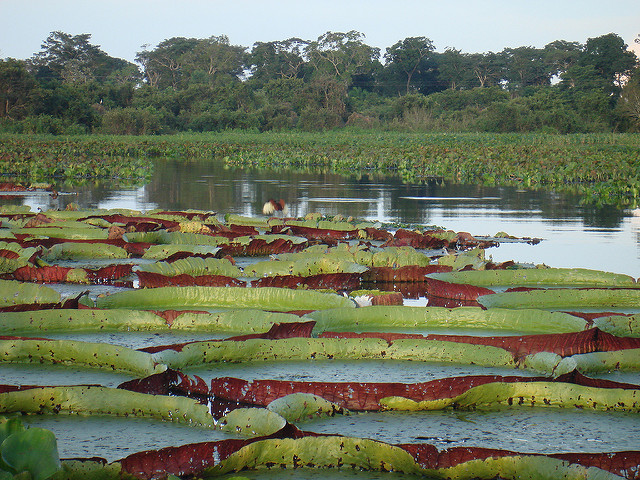
The Pantanal Conservation Area, located in Brazil, Bolivia & Paraguay, is the world’s largest tropical wetland, with an estimated surface area of about 170.000 square kilometres (at least 20 times the size of the Everglades, in Florida); it is one of the most unspoiled and unexplored places of the world.
For much of the year, 80% of the land is submerged by water, allowing the growth of a large variety of aquatic plants and supporting one of the world’s best diversity of wildlife. In addition to anacondas, caimans, jaguars, and many other animals, you can also meet the pantaneiros, people living here who rely on animal husbandry for their livelihood.
The Pantanal is home to several unique and iconic species found nowhere else in the world or in such abundance. It boasts the world’s highest density of jaguars, making it one of the best places to spot these elusive big cats in their natural habitat. The Pantanal also shelters the giant otter, a species endangered elsewhere but thriving in these wetlands. The hyacinth macaw, the largest flying parrot species, calls the Pantanal home, its vibrant blue feathers adding a splash of color to the lush greenery. Another unique resident is the Pantanal marmoset, a tiny primate found only in this region.
The wetlands are also a haven for birdlife, with over 650 species recorded, including the jabiru stork, a symbol of the Pantanal. This large, striking bird is known for its massive wingspan and distinctive red neck. Aquatic creatures like the golden dorado and pacu thrive in the Pantanal’s waterways, contributing to its reputation as an angler’s paradise.
The Pantanal’s vast and dynamic ecosystem, shaped by seasonal flooding, creates a unique mosaic of habitats that support this incredible biodiversity. Visitors can explore the area through eco-tourism lodges, safaris, and boat tours, experiencing the harmony of life in one of the most extraordinary natural environments on Earth.
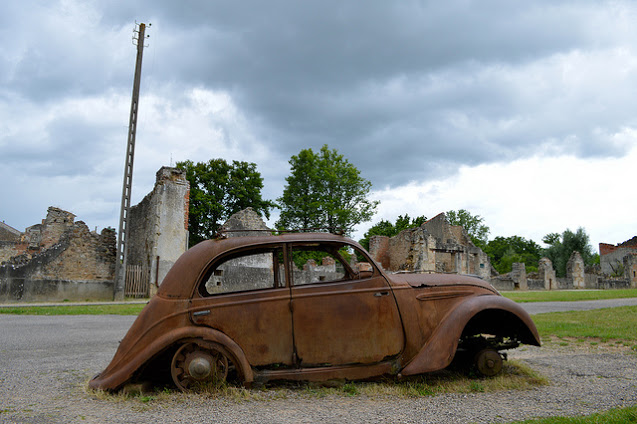
10th of June, 1944. World War II. After the murder of the SturmbannführerHelmut Kämpfe, a Major of the Nazi Waffen-SS, the Germans troops, in revenge, entered the town of Oradour-sur-Glane and killed 642 civilians, including women and children (except the only woman survived, Marguerite Rouffanche), murdered by bombs after they were gathered in the church. It was one of the worst massacres during the World War II; now the (ghost) village, as a permanent memorial, is exactly as it was upon its destruction, with the Mayor’s car still where it was parked in 1944.
With great indignation of the French people, all those convicted in connection to the massacre were released from prison after the trial.
The Mel Gibson movie The Patriot featured a scene where a church filled with civilians was burned by enemy troops, based on the Oradour-sur-Glane events.
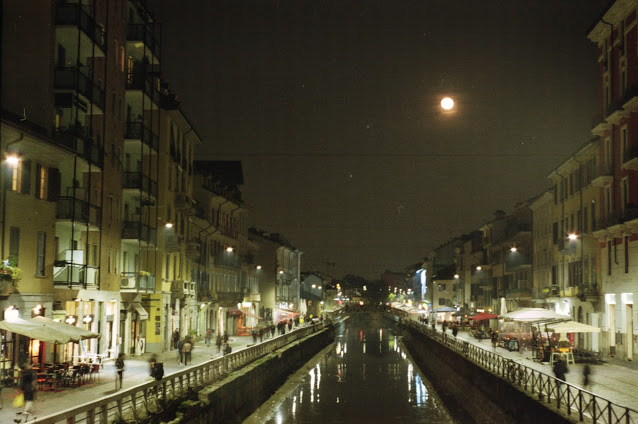
The Navigli are a system of navigable canals around Milan, Italy, consisted of five canals: Naviglio Grande, Naviglio Pavese, Naviglio Martesana, Naviglio di Paderno and Naviglio di Bereguardo.
The construction of the system lasted from the 12th to the 19th century; in 1805 Napoleon completed the construction of the Naviglio Pavese canal, connecting Milan to the sea by the canal of Pavia & Po river, to the Lake Maggiore through the Naviglio Grande canal & Ticino river and to the Como Lake through Martesana canal & Adda river.
From the Ossola Valley, through the Naviglio Pavese, was transported the marble used for building the Duomo of Milan. After 1850, due to the advent of the railway, and later of the automobile, the canals transportation system suffered an inevitable decline; today, most of the canals are used for irrigation.
In downtown Milan, the Navigli area is now one of the best nightlife poles in the city; the Naviglio Grande and the Naviglio Pavese operates a tourist navigation service.
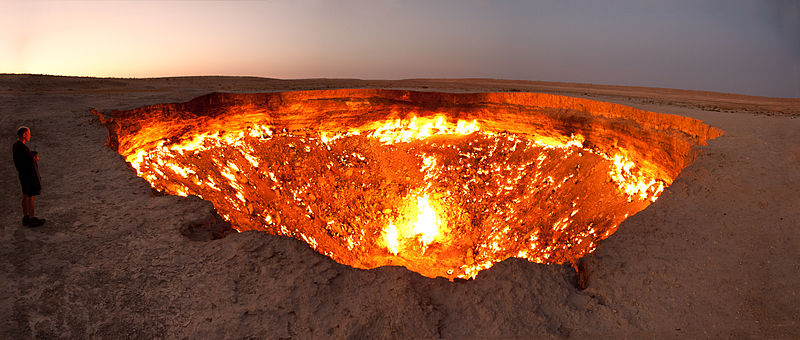
Also known as TheDoor to Hell, the Darvaza Crater, is a natural gas crater in the Karakum Black Sands desert, Turkmenistan, about 250 kilometers north of Ashgabat.
It was formed after the collapse of a natural gas field into an underground cavern. According to most sources, it is burning since 1971, when Soviet geologists set it alight to prevent the spread of the potentially poisonous methane gas. The scientists believed that the gas would extinguish within a few weeks, but it is now still burning.
The Canadian explorer George Kourounis was the first scientist descended into the crater, collecting some extremophile microorganisms that live even in that hellish place.
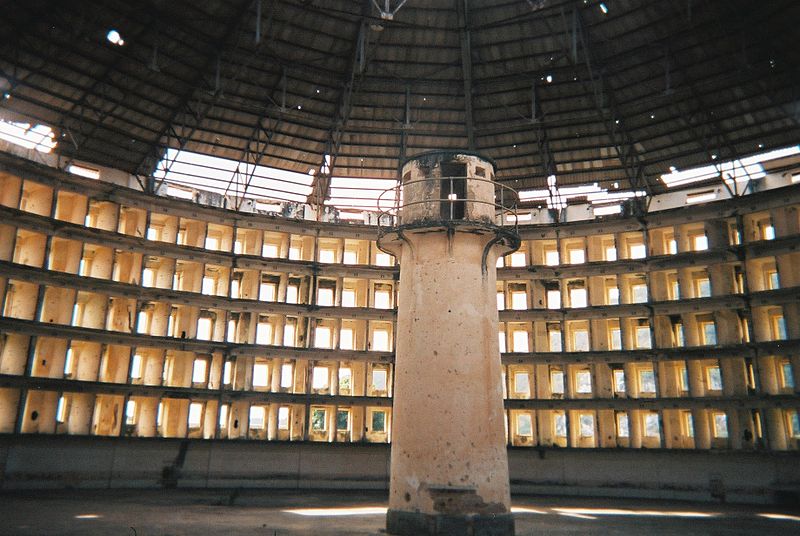
The Panopticon Prison: a prison model conceived in the 1780s by the British prison reformer Jeremy Bentham, where the inmates were constantly kept under surveillance. That model has considered innovative due to his efficiency despite the few staff and it was thought to improve the behavior of the inmates.
One example of the Panopticon prison was the Presidio Modelo, built on the Isla de la Juventud, in Cuba under President Gerardo Machado.
The five circular blocks, overlooked by a central watchtower with the capacity to house up to 6,000 prisoners, were inaugurated in 1926. Raul and Fidel Castro were imprisoned there from 1953 to 1955 after their revolt against the Moncada barracks. After the victory against Fulgencio Batista, Fidel Castro used the prison to house his political enemies, but after various riots and hunger strikes due to the overcrowded conditions, the Presidio Modelo was permanently closed in 1967.
The prison is now declared a national monument and serves as a museum and a school & research center.
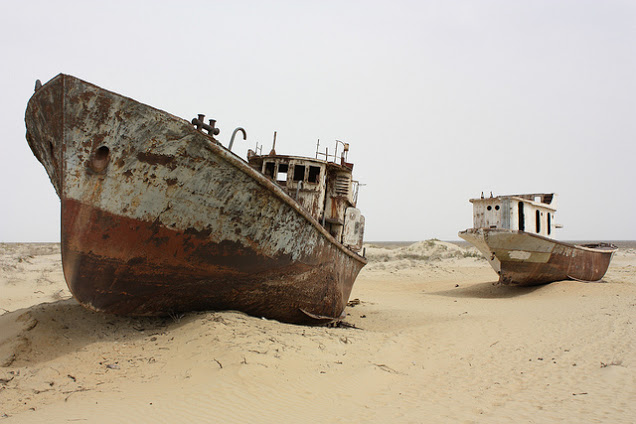
Muynak was once an important port city on the Aral Sea, in Uzbekistan. In the 1950s, after the Second World War, the Soviet Union drained the Aral Sea for irrigation of the cotton fields, during the Great Plan for the Transformation of Nature.
Uzbekistan is now one of the main producers of cotton in the world, and Muniak has become a large boat cemetery in a salty desert land.
Once bustling with life and trade, Muynak now stands as a stark reminder of one of the world’s greatest environmental disasters. The receding waters of the Aral Sea, which once stretched to the horizon, have left behind a barren landscape of sand and salt, dotted with rusting fishing boats that now sit stranded miles from any water.
Despite the devastation, Muynak has drawn attention as a unique and tourist destination. The “Ship Graveyard” is a surreal attraction, offering visitors a haunting glimpse into the past life of this once-thriving port. Additionally, the Museum of the Aral Sea in Muynak provides insights into the environmental and social impact of the sea’s disappearance.
Efforts have been made to revive parts of the Aral Sea, and small areas of water have been restored through international collaboration. However, for Muynak, the damage has left an indelible mark, turning it into a symbol of human impact on nature. Today, the city is not only a testament to the consequences of unsustainable development but also a place of resilience, as its people adapt to life in a transformed environment.
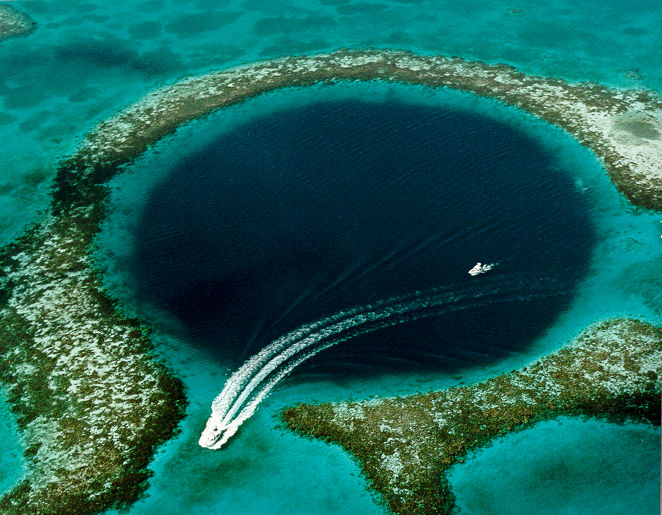
The Great Blue Hole is located near the Lighthouse Reef atoll, in the Belize Coral Reef Barrier, the second largest coral reef system in the world after the Great Barrier Reef in Australia; it is considered one of the best scuba diving site in the world.
The hole is almost perfectly circular in shape, 300 meters wide and 120 meters deep. It was formed as a limestone cave during the quaternary glaciation (when sea levels were much lower), flooded after the oceans’ level raising.
Recently, some scientific studies, by analysis of the amount of aluminum and titanium deposited in the Great Blue Hole (lower levels of aluminum and titanium in soil and sediments correspond to periods with fewer precipitations) have demonstrated that between 800 d.C. and 1100 d.C. two periods of drought created the preconditions for the decline of the Maya civilization.
This website uses cookies to improve your experience. We'll assume you're ok with this, but you can opt-out if you wish. Cookie settingsACCEPT
Privacy & Cookies Policy
Privacy Overview
This website uses cookies to improve your experience while you navigate through the website. Out of these cookies, the cookies that are categorized as necessary are stored on your browser as they are essential for the working of basic functionalities of the website. We also use third-party cookies that help us analyze and understand how you use this website. These cookies will be stored in your browser only with your consent. You also have the option to opt-out of these cookies. But opting out of some of these cookies may have an effect on your browsing experience.
Necessary cookies are absolutely essential for the website to function properly. This category only includes cookies that ensures basic functionalities and security features of the website. These cookies do not store any personal information.
Any cookies that may not be particularly necessary for the website to function and is used specifically to collect user personal data via analytics, ads, other embedded contents are termed as non-necessary cookies. It is mandatory to procure user consent prior to running these cookies on your website.